The central bank of South Korea is closely monitoring inflation and the changes in AI exports
The central bank of South Korea has stated that it will flexibly control the pace of subsequent interest rate hikes. The high inflation rate and the booming export boom of AI semiconductors have become the key variables.
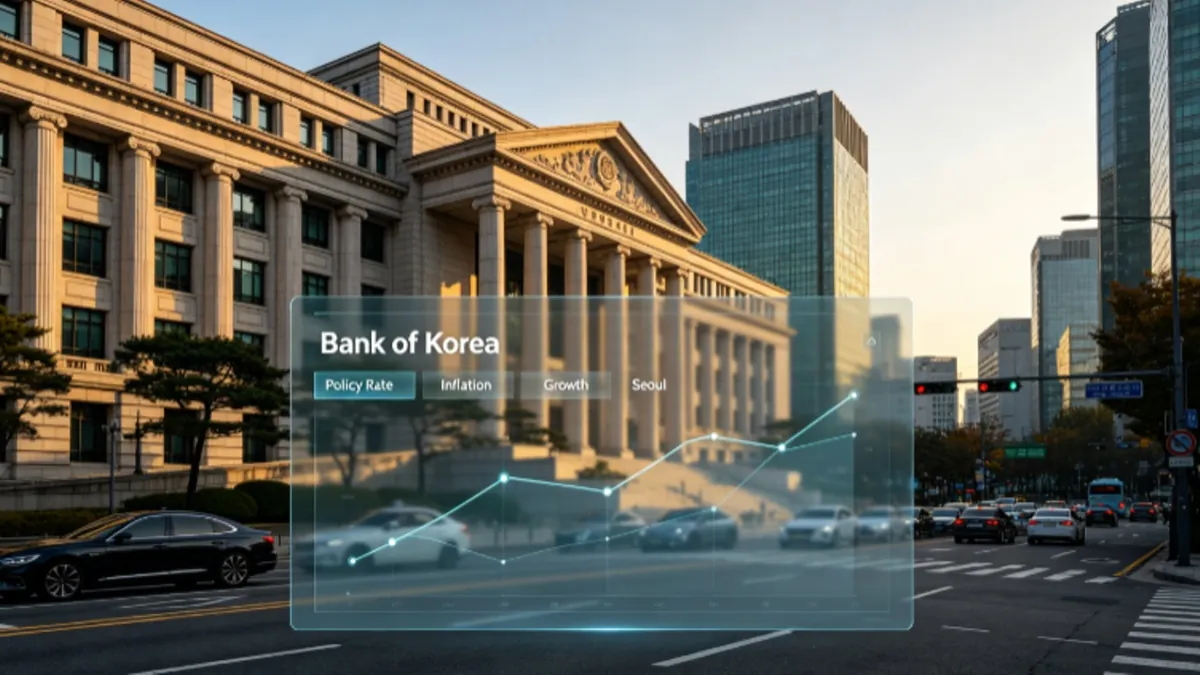
The central bank of South Korea has adopted a wait-and-see assessment mode.
The monetary policy of the central bank of South Korea has entered a new stage of flexible adjustment. After two consecutive interest rate hikes, the top officials of the central bank recently publicly released key signals, indicating that they will not blindly continue to tighten the monetary policy. The board members of the central bank clearly stated at the semi-annual monetary policy report press conference that they need to track the dynamic changes of domestic and international economic conditions in real time. They also need to review the actual impacts on prices and business operations after the implementation of the previous two interest rate hikes, and base their next tightening policies on this.
This statement also means that the interest rate hike cycle of the central bank of South Korea will not simply continue the "continuous acceleration" pattern. Previously, the market generally predicted that the central bank would continue to raise interest rates to tighten the market. Now, the policy thinking has shifted to being prudent and flexible. The core demand is to balance economic growth and inflation control, and avoid the drag on the economy from aggressive policies. South Korea completed another round of interest rate hikes last month, raising the benchmark interest rate by 25 basis points and finally setting it at 3.00%.
High inflationary pressure persists for a long time.
The official assessment is that the South Korean economy can still maintain a strong growth pace and will not show significant weakness due to interest rate hikes. However, at the same time, the inflation problem has not been resolved. The central bank explicitly mentioned that the domestic inflation level will remain above the set target for a long time, and the pressure of price control remains severe. The two core factors that continue to push up prices are the imported inflation caused by the geopolitical tensions in the Middle East and the demand-side inflation pressure generated by the domestic export boom.
The tense situation in the Middle East has pushed up global energy and commodity prices. As a country with an extremely high dependence on resource imports, the increase in raw material costs will quickly be transmitted to the domestic production and consumption processes, raising the overall price level. The booming export situation has led to the expansion of domestic industrial demand, with increased market funds and production activity, further intensifying the demand-side inflation. The upward pressure on prices from both supply and demand sides makes it difficult for South Korean inflation to fall rapidly, which is also the key reason why the central bank is reluctant to relax the tightening policy.
The AI investment boom has supported South Korea's semiconductor exports.
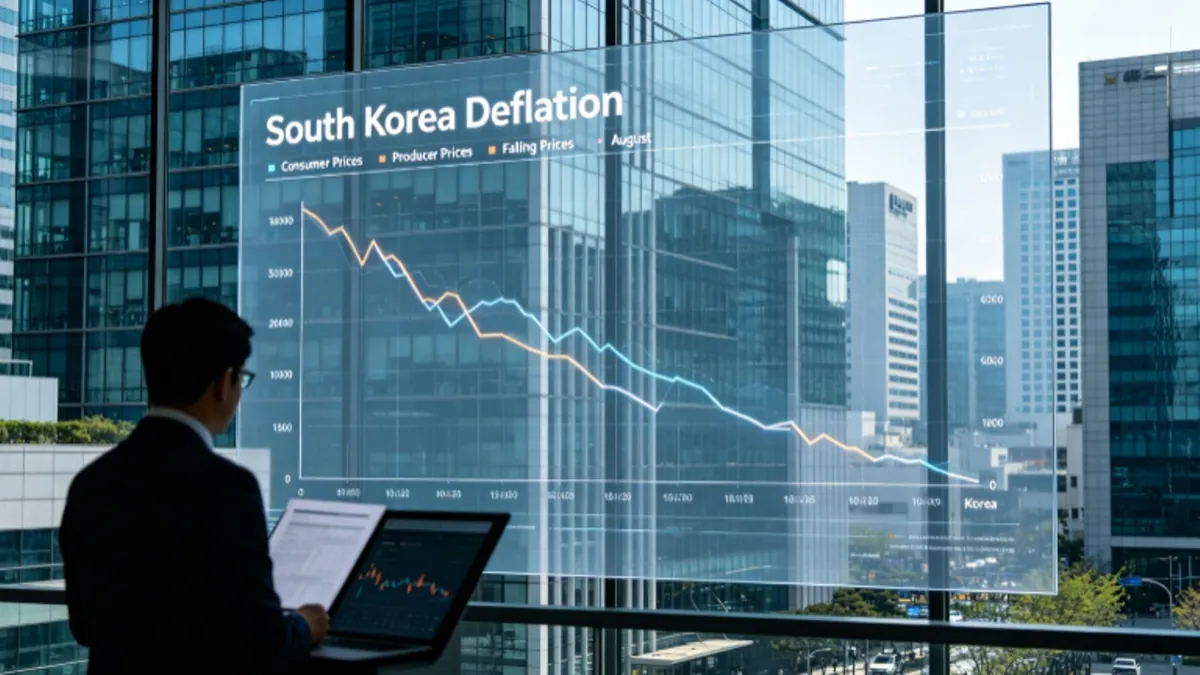
The most significant highlight of South Korea's economy and exports is the all-chain benefits driven by the AI industry. The South Korean central bank emphasized in its monetary policy report that the global investment boom in the AI industry is still on the rise. As a core pillar industry of South Korea, the semiconductor sector has reaped the benefits of industry growth and seen an increase in export scale, becoming the core driving force for the overall export boom. Overseas orders for related products such as AI servers, computing power chips and storage chips have continued to soar, driving South Korea's foreign trade data to steadily climb.
This industrial dividend influences the central bank's monetary policy judgment. The high growth in exports driven by AI has strengthened South Korea's economic fundamentals and offset the economic downward pressure that might be brought about by interest rate hikes. The central bank has sufficient room to tighten monetary policy and fully suppress inflation, without overly worrying that policy tightening will drag down economic growth. However, this growth also has structural characteristics. The dividend is highly concentrated in the semiconductor technology sector, while the recovery strength of other traditional industries is relatively weaker.
Multiple risks constrain the pace of interest rate hikes.
Behind the positive economic data, the monetary policy of the Bank of Korea is actually in a delicate balance. On one hand, strong exports and economic growth support the implementation of the tightening policy. On the other hand, various potential risks force the central bank to slow down the pace of interest rate hikes and adopt a cautious approach.
Firstly, the lagging effect of previous interest rate hikes has not fully manifested. Monetary policy implementation has a transmission cycle. After two consecutive interest rate hikes, changes in market financing costs, enterprise investment and residents' consumption have not fully been released yet. If interest rates are continued to be raised blindly, it is likely to cause excessive tightening of market liquidity and unexpected economic slowdown.
Secondly, external uncertainty risks persist. Additionally, the hidden risks in the domestic financial market of South Korea can not be ignored. Continuous interest rate hikes will increase the debt servicing costs for enterprises and residents. South Korea has a relatively high household debt level, which poses potential impacts on consumption and financial stability.