China's electrolytic aluminum production capacity has peaked. Overseas factory construction
China's electrolytic aluminum production capacity is capped at 45 million tons. Aluminum companies are developing smelting projects in Indonesia and Angola that will substantially change long-term global aluminum supply expectations.
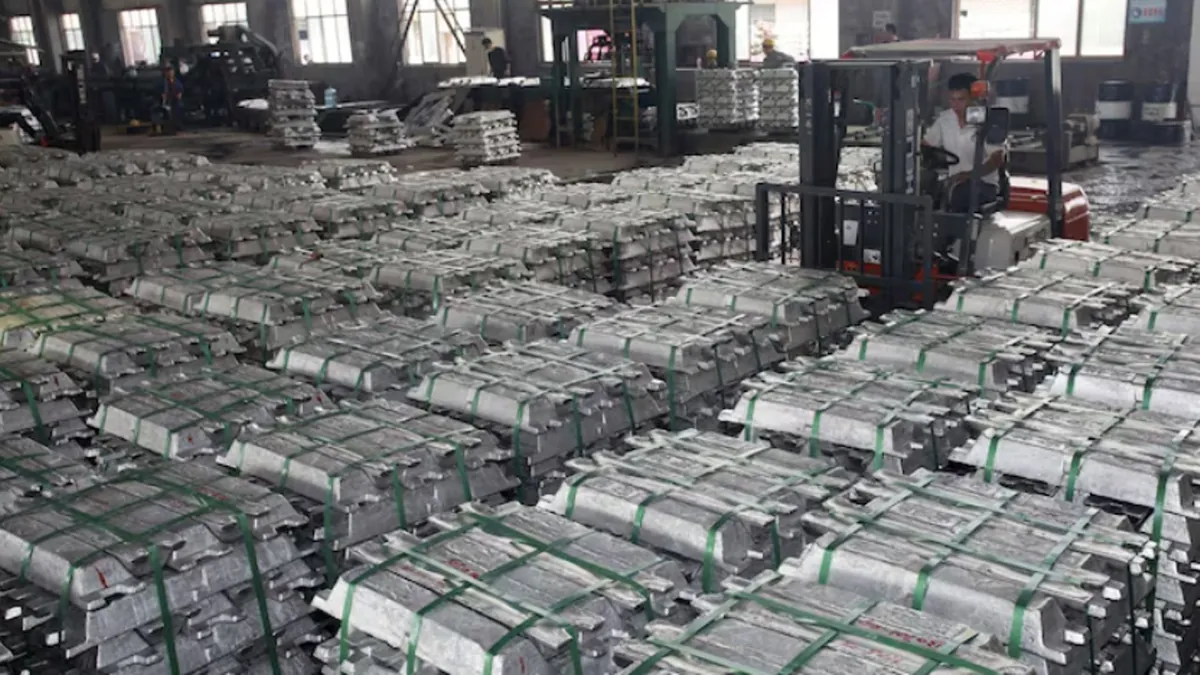
China's production capacity cap has locked in the increase and smelters are close to full capacity.
China's electrolytic aluminum industry is capped at 45 million tons. This rule was established during the disorderly expansion of the industry in 2017. Hundreds of millions of tons of illegal and non-compliant production capacity were shut down domestically, and the capacity swap rules were introduced. New projects must eliminate the same scale of old production capacity at the same time. This system has been strictly implemented for a long time, forcing the industry to replace old equipment and upgrade smelting technology.
However, the cap does not restrict the absolute output. And factories can bump up output a bit by upgrading equipment and optimizing processes. This year, domestic aluminum plants have good profit conditions. The aluminum price in Shanghai is approaching a three-month high, the price of alumina raw materials is at a low level, and smelting profits are substantial. Each factory prefers to operate at maximum capacity. In August, the operating capacity utilization rate of domestic aluminum smelters reached 99.7%, and the effective operating capacity was 45.26 million tons.
Chinese-owned aluminum plants are rapidly establishing operations abroad.
After the domestic production capacity expansion space in China was locked up, aluminum enterprises chose to build electrolytic aluminum projects overseas, with Indonesia being the main destination. The local area originally relied on the presence of Chinese-funded zones to develop the nickel industry. The existing electricity and logistics support can shorten the construction period of the aluminum plants. The Huachin plant started production last year with an annual capacity of 480,000 tons. In May this year, it also registered the "HCAI" aluminum brand at the London Metal Exchange. The plant delivered the first batch of aluminum products to the U.S. in March this year. Another Indonesian aluminum company jointly owned by enterprises from Zhejiang Province has completed the registration of the LME brand, facilitating direct participation in international spot and futures delivery.
The overseas layout is not limited to Indonesia. Xinfa Group is planning an integrated industrial park in Kazakhstan with an aluminum production capacity of 2.4 million tons. There is also a Chinese-funded consortium investing in a smelter in Angola, with an initial capacity of 120,000 tons. The equipment for this project mostly comes from domestic retired old smelting facilities, applying the domestic capacity substitution strategy to overseas. The Angolan factory is located along the Atlantic coast, enabling convenient sales to the Western European market.
Reconfiguration of global supply pattern.
Currently, China accounts for about 60% of the global aluminum production. Due to the impact of the Iran war, aluminum production capacity in the Middle East has decreased. As a result, China's share rose to 63% temporarily. Building new aluminum smelting projects in Europe and the U.S. is extremely difficult due to high electricity costs, strict environmental protection approval requirements, and the inability to quickly start production to fill the gap. The supply shortage in the overseas market can only be filled in the short term by China's aluminum exports and the construction of new aluminum plants by Chinese companies overseas.
The pricing logic of Shanghai aluminum and LME aluminum has diverged. The supply ceiling of Shanghai aluminum is determined by domestic policies. There is no new compliant production capacity in China, and the market mainly trades changes in domestic demand from real estate, photovoltaics and new energy vehicles. LME aluminum needs to assess the release rhythm of new global production capacity. Geopolitical disruptions in the Middle East and the commissioning progress of new factories in Indonesia will directly affect LME aluminum prices.
The overseas construction of Chinese aluminum enterprises is not without uncertainties. Overseas projects will face various risks such as local power supply, changes in tax policies, etc. Once the power cost in the park rises, the profit of the smelting plant will rapidly shrink, and even the start of production may be postponed. Geopolitical frictions and trade barriers will also affect the sale of aluminum ingots to the European and American markets. These risks will be priced in the futures market in advance.
The core tracking indicators of the aluminum futures market, distinguishing between short-term and long-term trends.
From a short-term perspective, China's domestic production capacity is already close to its limit, and there is very little room for further increase in output. Coupled with the damage to aluminum production capacity in the Middle East, global aluminum supply remains in a tight balance. Aluminum futures in Shanghai are centered on domestic demand and operate within a range of fluctuations. LME aluminum is supported by the supply gap in overseas markets and experiences greater fluctuations. LME aluminum is supported by the supply gap in overseas markets and has larger fluctuations. In the medium and long term, aluminum plants in regions such as Indonesia gradually coming online, the global aluminum supply will gradually increase, the current supply shortage will gradually ease.