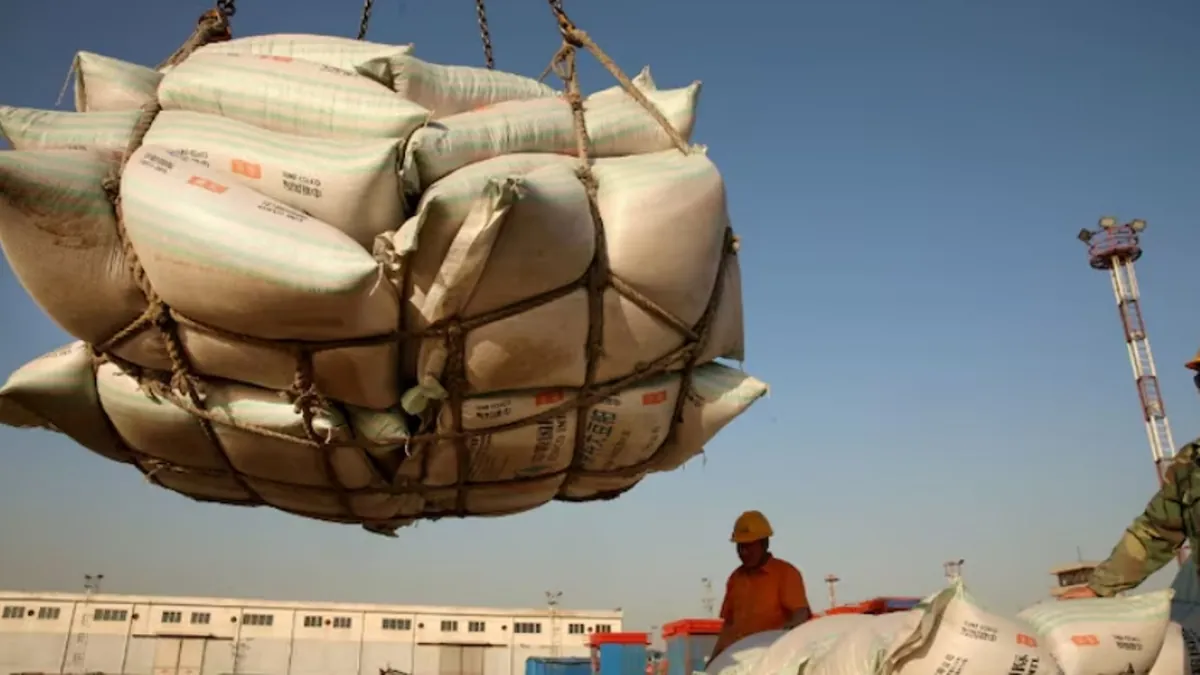
China may purchase one million tons of US soybeans
China fulfills its annual purchase commitment by purchasing one million tons of U.S. soybeans. Coupled with the tight global supply of oilseeds, this has pushed up the price of soybeans.
Latest articles in this category
China fulfills its annual purchase commitment by purchasing one million tons of U.S. soybeans. Coupled with the tight global supply of oilseeds, this has pushed up the price of soybeans.

The recovery of the US PPI data, coupled with the sharp increase in oil prices, has led to an increase in the expectation of the Federal Reserve to raise interest rates. As a result, gold and various precious metal futures have weakened.
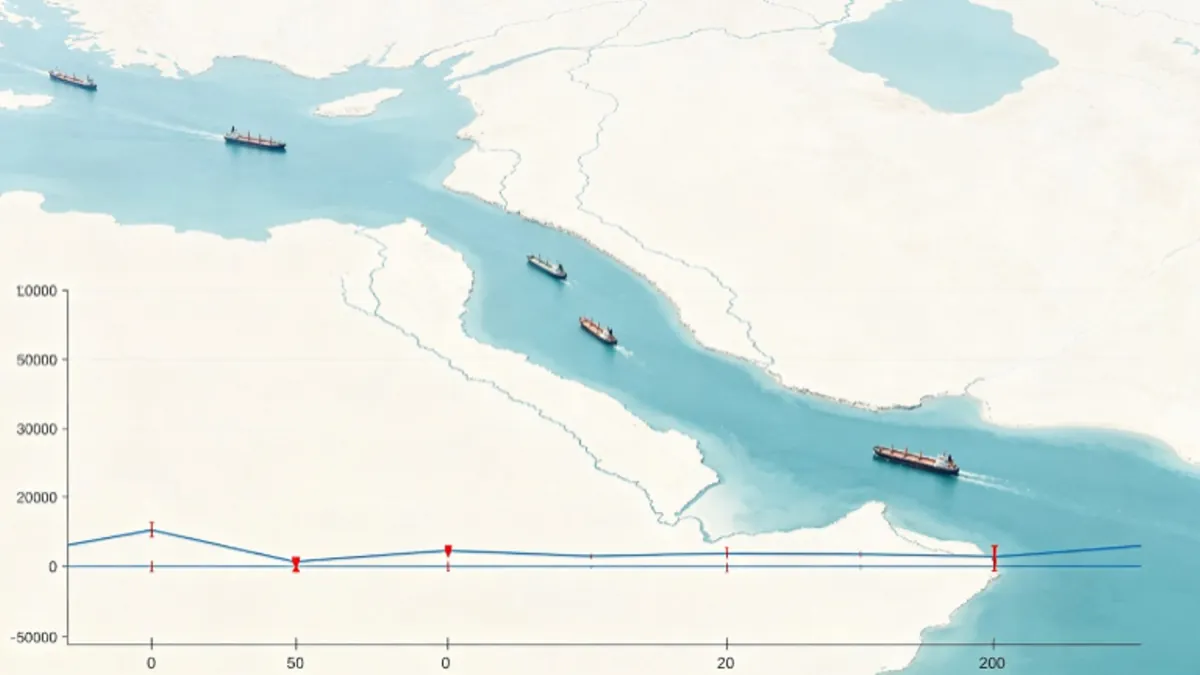
The volume of ships passing through the Strait of Hormuz has declined, coupled with the escalation of conflicts in the Middle East, causing market concerns over the disruption of crude oil exports.
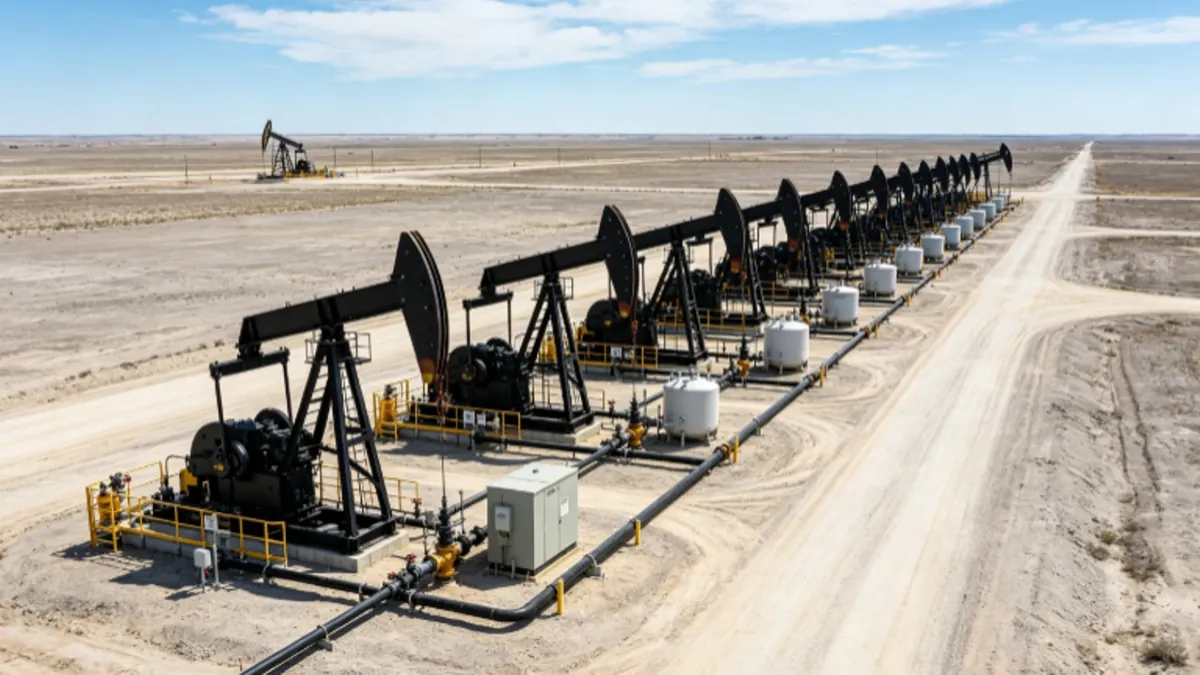
The situation in the Middle East has become increasingly tense again. Brent crude oil once approached 100 dollars per barrel, and WTI strengthened. The futures price of crude oil continues to reflect the risk of supply disruption.

Trump instructed the GSA to remove goods produced in Canada as a bargaining chip in the trade conflict. As a result, the prices of North American agricultural products, metals, and Canadian futures began to reflect the risk of a decline in government procurement demand.

Both countries have intensified tariffs and imposed import bans on each other, worsening the bilateral trade friction and disrupting the North American industrial chain.
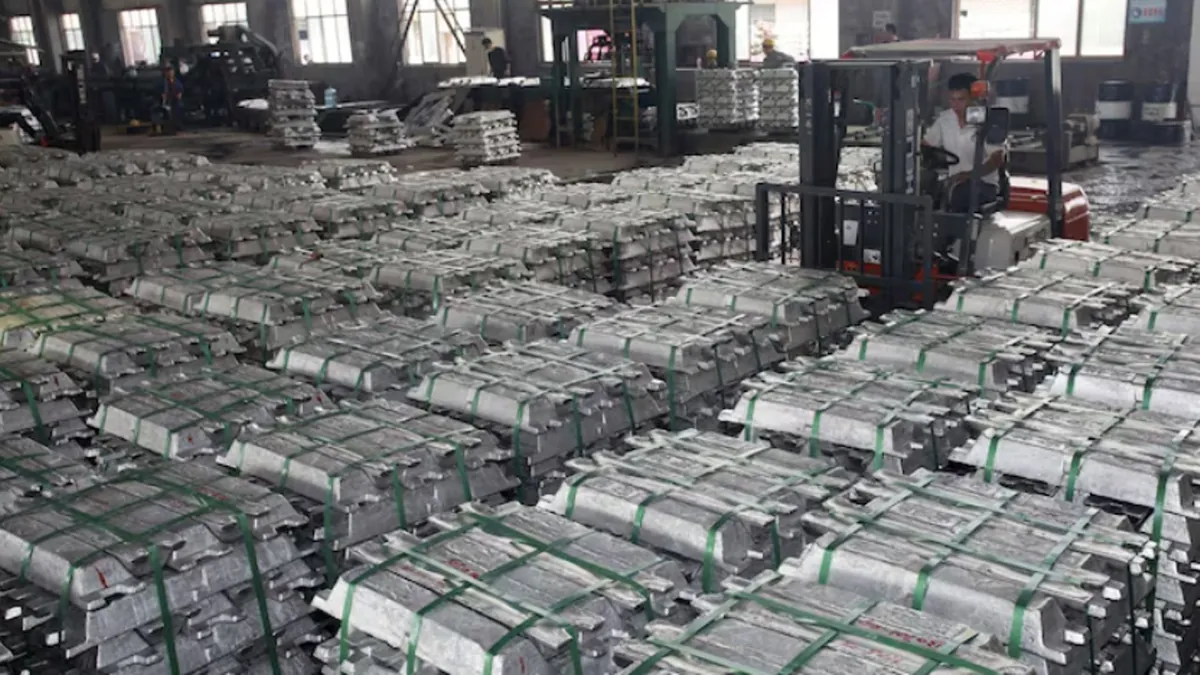
China's electrolytic aluminum production capacity is capped at 45 million tons. Aluminum companies are developing smelting projects in Indonesia and Angola that will substantially change long-term global aluminum supply expectations.

In Malaysia, the electricity consumption of data centers has increased rapidly. The high temperature has increased the power load. The country plans to add 9 gigawatts of natural gas power generation.
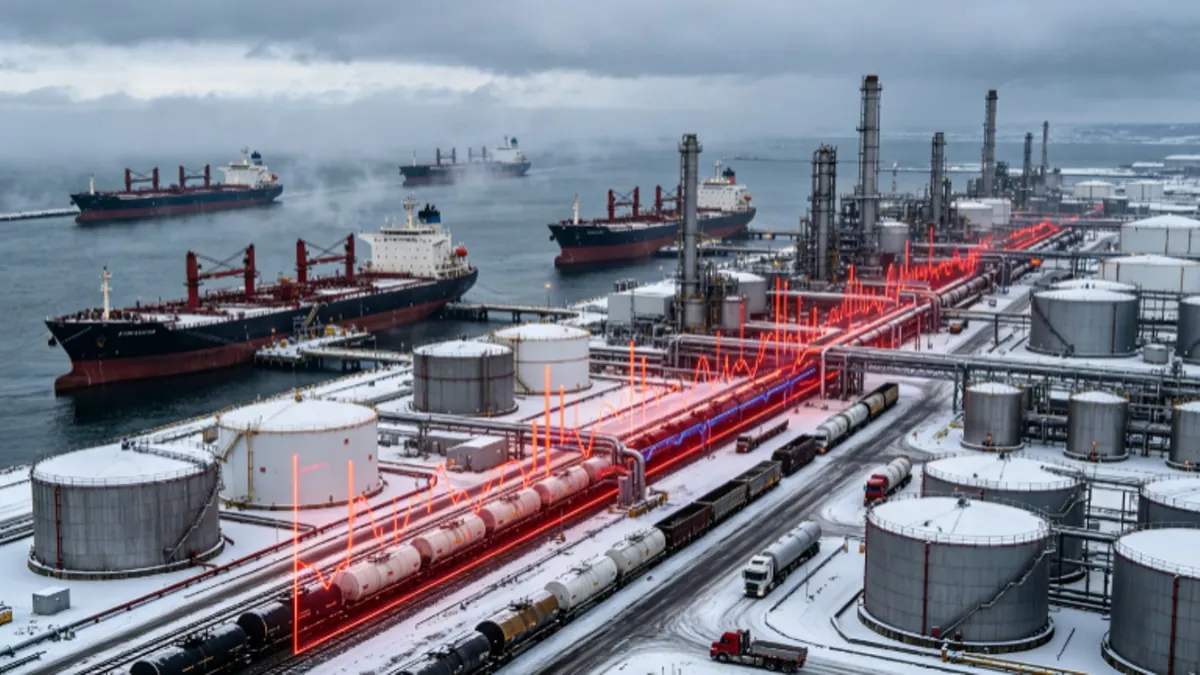
Insufficient spare refining capacity, restricted Russian oil exports, and geopolitical disturbances have led to the continuous depletion of global diesel inventories. As the winter season approaches, there is an expectation of a shortage of supply in diesel futures trading.
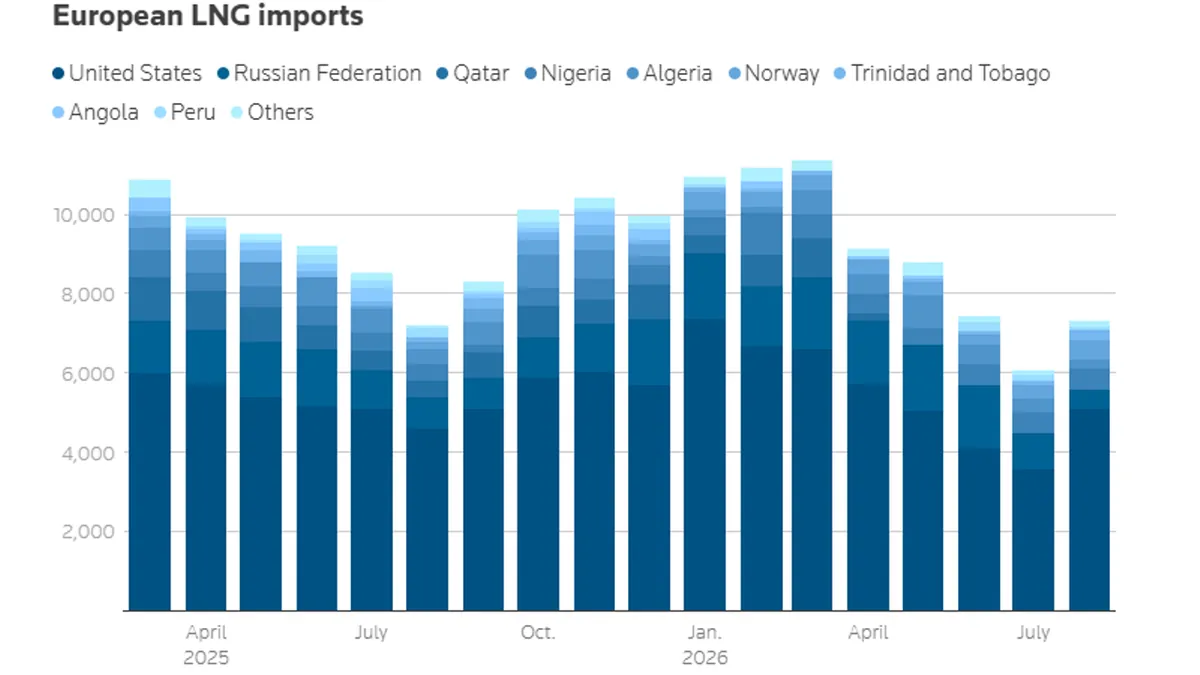
The Middle East conflict has also taken a large amount of LNG supplies offline and European gas storage progress is at a 15-year low compared to the same time last year. This has led to a sharp rise in TTF natural gas futures.