The expectation of interest rate hikes has risen, and precious metals have collectively declined
The recovery of the US PPI data, coupled with the sharp increase in oil prices, has led to an increase in the expectation of the Federal Reserve to raise interest rates. As a result, gold and various precious metal futures have weakened.
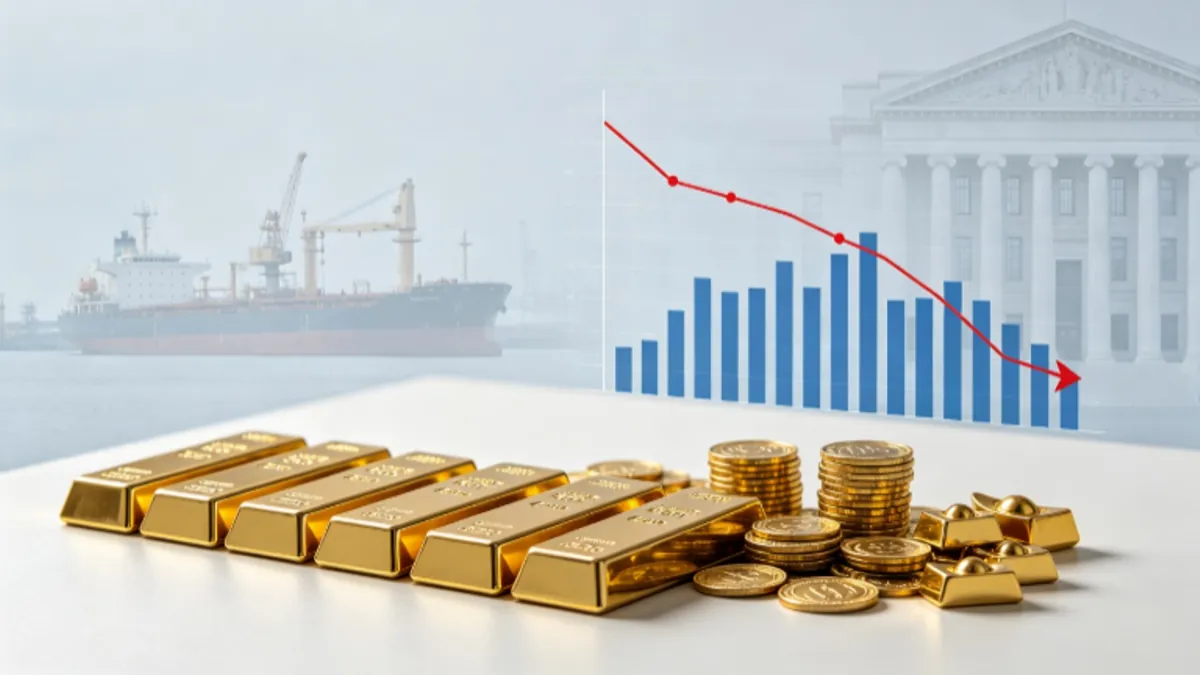
The inflation data came out unexpectedly, reshaping the gold market scenario with the expectation of an interest rate hike.
On September 10th, the United States released the August PPI data, which reversed the previous upward trend of precious metals. The latest data shows that the final demand PPI in the United States rose by 0.4% month-on-month, largely accelerating from the 0.1% increase in July. The soaring energy prices were the core driver of this round of inflation rebound, breaking the market's previous expectation of inflation cooling. CME data indicates that the probability of an interest rate hike at the September meeting has rapidly risen from 62% to 70%.
The rapid rise in short-term monetary policy tightening expectations has become the core bearish factor suppressing gold futures. The market reaction was very intense. The COMEX gold futures dropped by 1.2% during the day and closed at $4,407.30 per ounce. Spot gold fluctuated more, with the biggest decline of 1.7% during the trading session, touching a low of $4,323.78. The asset still closed 1% lower on the day. Market traders are no longer mainly worried about geopolitical risks. Instead, their full attention has turned to inflation and limits brought by monetary policy.
The rising conflict in the Middle East and a surge in international oil prices have made all energy categories more expensive, undoing the earlier relief in inflation. The resulting energy-driven inflation will constrain the Federal Reserve's ability to ease monetary policy and put pressure on non-interest-bearing gold futures.
Gold has come under pressure as both U.S. treasury yields and the U.S. dollar have climbed.
The core pricing logic of gold futures revolves around two major influencing factors: interest rates and exchange rates. After the expectation of interest rate hikes intensified, the yield of the U.S. ten-year treasury rose rapidly, and market funds recalculated the opportunity cost of holding gold. After the yield rose, the cost-effectiveness of bond assets improved, and funds flowed out of the gold market. At the same time, the expectation of interest rate hikes boosted the U.S. dollar. Gold is priced in U.S. dollars, and when the dollar appreciated, the cost for holders of other currencies to buy gold increased, suppressing physical demand and buying intentions.
The double negative impacts of the U.S. dollar and US treasury yields are the key factor for the deep correction of gold futures this time. In the past, the escalation of geopolitical conflicts would benefit the demand for gold as a safe haven, but in this cycle, the conflict in the Middle East pushed up oil prices and forced inflation to rebound, triggering the strengthening of the expectation of interest rate hikes. The negative impact of monetary policy outweighed the positive impact of geopolitical hedging, causing gold futures to experience a counter-trend decline.
Global central banks have collectively tightened monetary policies, causing a general decline in precious metals.
This round of inflation rebound is not unique to the United States. Global energy prices have soared, putting pressure on inflation in many countries. The European Central Bank raised its interest rates for the second time this year Thursday, mainly aimed at protecting against the upward inflationary pressure created by energy price increases. Central banks globally have tended to be hawkish.
Earlier, the market expected many central banks to cut rates, which supported the rise in gold prices. Now, the expectation of rate cuts has been delayed and the probability of rate hikes has increased. The valuation support logic for gold futures has weakened, and the market has started a valuation repairing correction. The strong performance of the oil market has further strengthened this trading logic. Brent crude oil rose 4% on Thursday settling at the $105 per barrel level. High oil prices will continue to put a lid on inflation and the Fed will struggle to pivot quickly to a loose monetary policy.
The negative impact of the interest rate hike expectations has affected all precious metal categories. Spot silver plunged by 4.6% in a single day, with the price dropping to $64.19 per ounce. Platinum fell by 5.5%, and palladium dropped by 5.1%. Gold has a preference for financial hedging attributes and has relatively milder fluctuations. Silver, platinum and palladium have higher industrial demand ratios, and their price declines are far greater than that of gold.