China may purchase one million tons of US soybeans
China fulfills its annual purchase commitment by purchasing one million tons of U.S. soybeans. Coupled with the tight global supply of oilseeds, this has pushed up the price of soybeans.
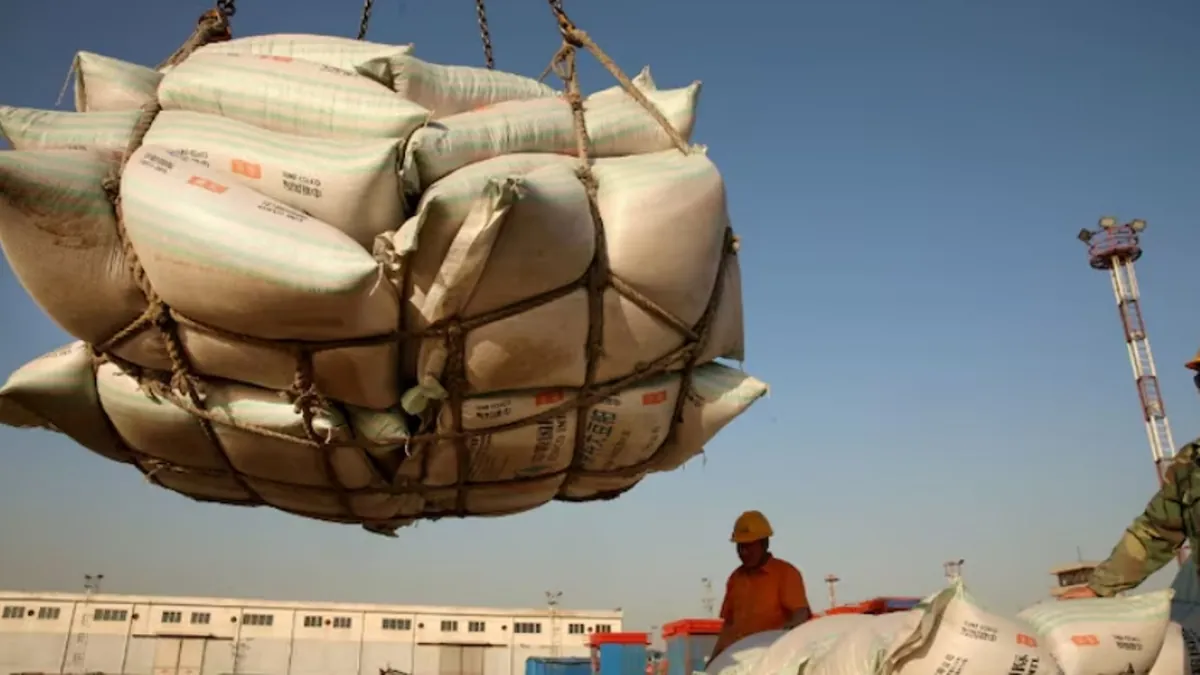
One million tons of U.S. soybeans purchased.
Recently, China completed a large-scale purchase of U.S. soybeans. This week, the purchase volume reached one million tons. After this order was finalized, China's annual purchase progress of U.S. soybeans accelerated, approaching half of the 25 million tons annual purchase commitment. Several market traders disclosed that the main purchasers of this round of purchase were China's large state-owned grain merchants. As early as after the bilateral meeting in May this year, the U.S. side officially announced China's purchase commitment, clearly stating that it would stabilize the purchase of 25 million tons of U.S. soybeans annually before 2028, while also purchasing $1.7 billion worth of other U.S. agricultural products annually.
On the eve of a major diplomatic event, concentrating on the implementation of agricultural purchase orders is a routine operation to stabilize bilateral trade expectations, and it has largely reduced the uncertainty in the demand side of U.S. soybean futures. The US Department of Agriculture updated export data, with 340,000 tons of spot orders for U.S. soybeans to China recently being finalized, and another 100,000 tons of soybean orders flowed to unknown overseas markets. The overall activity of global soybean spot purchases has increased.
Global oilseed supply is tightening.
The reason why this large-scale purchase was able to drive the U.S. soybean futures to rise is that it hit the timing window of the global shortage of oilseed supply. Currently, there is a shortage of global soybean supply, and the inventory of the major South American producer country Brazil is low. The available spot supply in the market is insufficient to meet global purchasing demands.
In previous years' fourth quarter, China's soybean purchases were mainly from Brazilian beans. This year, with the emergency situation of Brazil's inventory, the market's purchasing focus shifted to U.S. soybeans. Unlike sporadic and small-scale purchases, orders of one million tons or more belong to substantial and urgent purchasing needs, and their impact on the market is persistent. There will not be a situation where the price quickly falls after being manipulated by short-term news.
Tariff barriers still exist.
At present, there are still significant barriers in the soybean trade between the U.S. and China. After the tariff war last year, China imposed an additional 10% tariff on imported soybeans from the U.S.. Due to the high tariff costs, American soybeans are less cost-effective compared to those from South America. As a result, they have been marginalized by Chinese processing enterprises over the long term. This large-scale purchase has generated new forward-looking expectations in the market. In the future, the bilateral trade atmosphere is expected to ease, and there is a possibility that the tariffs on soybean imports will be reduced or even eliminated. Once the tariffs decrease, the import cost of American soybeans will drop largely, and China's purchase volume will further increase.
Trade diplomacy combined with sentiment support the futures market of U.S. soybeans.
This round of soybean procurement has a clear trade diplomacy attribute and is not merely a simple market-driven replenishment of inventory. On the eve of key bilateral diplomatic events, large-scale agricultural procurement was implemented, effectively easing the atmosphere of economic and trade frictions and stabilizing expectations for U.S.-China agricultural trade cooperation. Agricultural products are an important buffer category in U.S.-China trade, and soybeans are the core variety among them.
Continuous implementation of purchase orders can alleviate market concerns over the repeated fluctuations in bilateral trade and restore the pessimistic expectations of funds in the U.S. soybean market. This emotional recovery will indirectly enhance the risk appetite in the futures market and attract additional funds to position long positions.
The short-term strong trend of soybeans is clear.
Brazil has low inventory levels, global oilseed supply is contracting, China's large-scale demand purchase has been implemented, and there is an expectation of a reduction in agricultural product tariffs. Multiple positive factors support the strengthening of U.S. soybeans. However, negative factors also exist. The recovery pace of China's breeding and crushing demand is uncertain. If downstream consumption fails to follow suit, it will limit the upward potential of U.S. soybeans. The subsequent arrival of new South American soybeans will also alleviate the global supply pressure and suppress the rise in the futures contract prices.