On its first trading day, the Finnish small-scale nuclear energy company Steady Energy saw its share price drop by nearly 6%. The stock market pricing was more rational than the initial offering price.
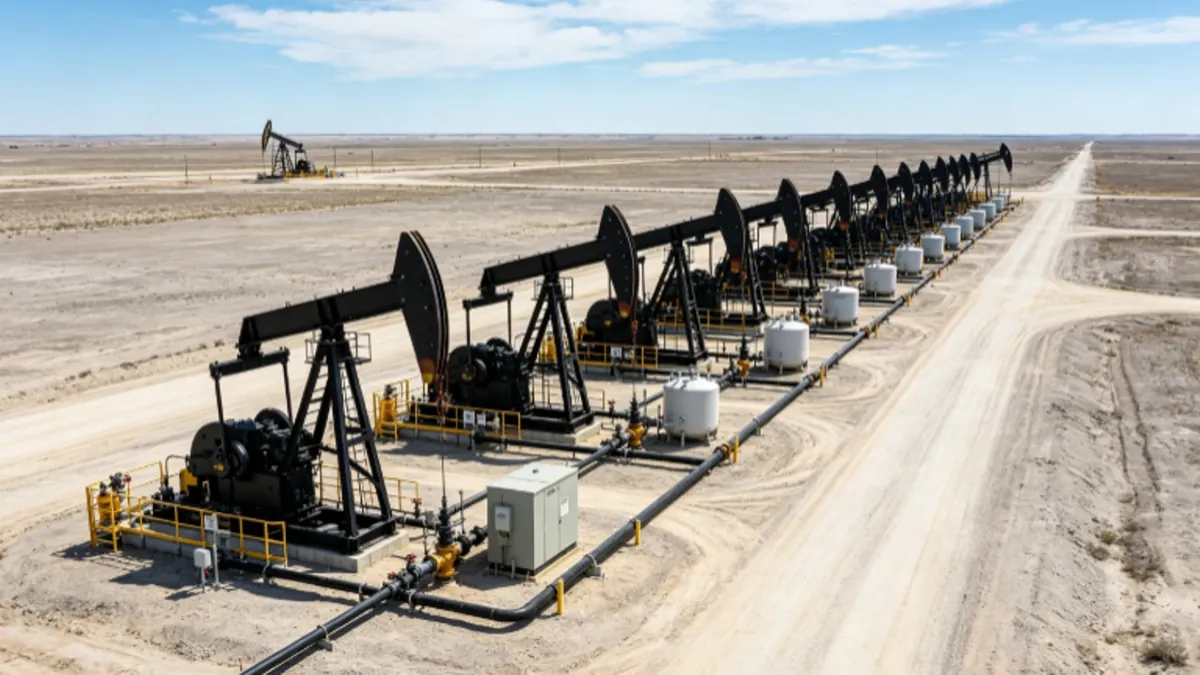
The situation in the Middle East has become increasingly tense again. Brent crude oil once approached 100 dollars per barrel, and WTI strengthened. The futures price of crude oil continues to reflect the risk of supply disruption.
The central bank of South Korea has stated that it will flexibly control the pace of subsequent interest rate hikes. The high inflation rate and the booming export boom of AI semiconductors have become the key variables.
The macOS screen sharing vulnerability numbered CVE-2026-65400 is being exploited by hackers. Devices with port 5900 open can be invaded and Monero mining machines can be deployed. Apple has pushed out a fix patch.
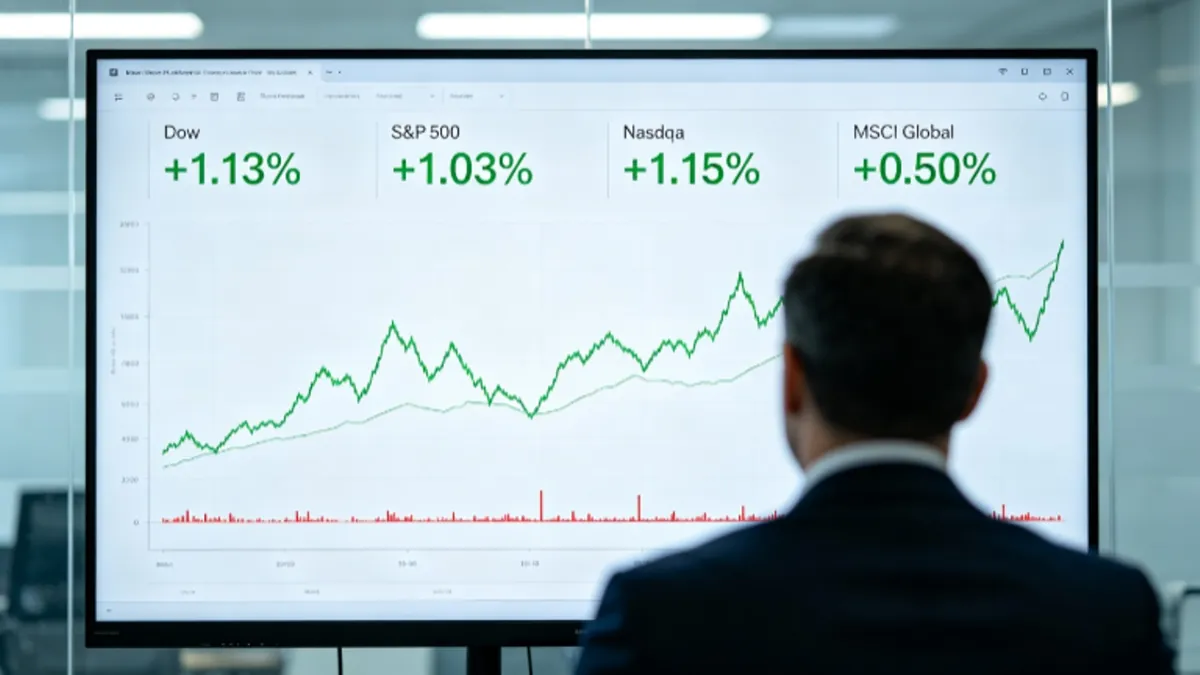
U.S. inflation data was hotter than expected, raising the odds of an interest rate hike. U.S. stocks bucked the trend on Friday with markets looking ahead to the Fed’s interest rate decision.
Both countries have intensified tariffs and imposed import bans on each other, worsening the bilateral trade friction and disrupting the North American industrial chain.
Japan will speed up its pace of raising interest rates, which will gradually lift the yield on Japanese government bonds. The attractiveness of domestic assets has largely increased, driving domestic institutional funds to flow back from overseas.
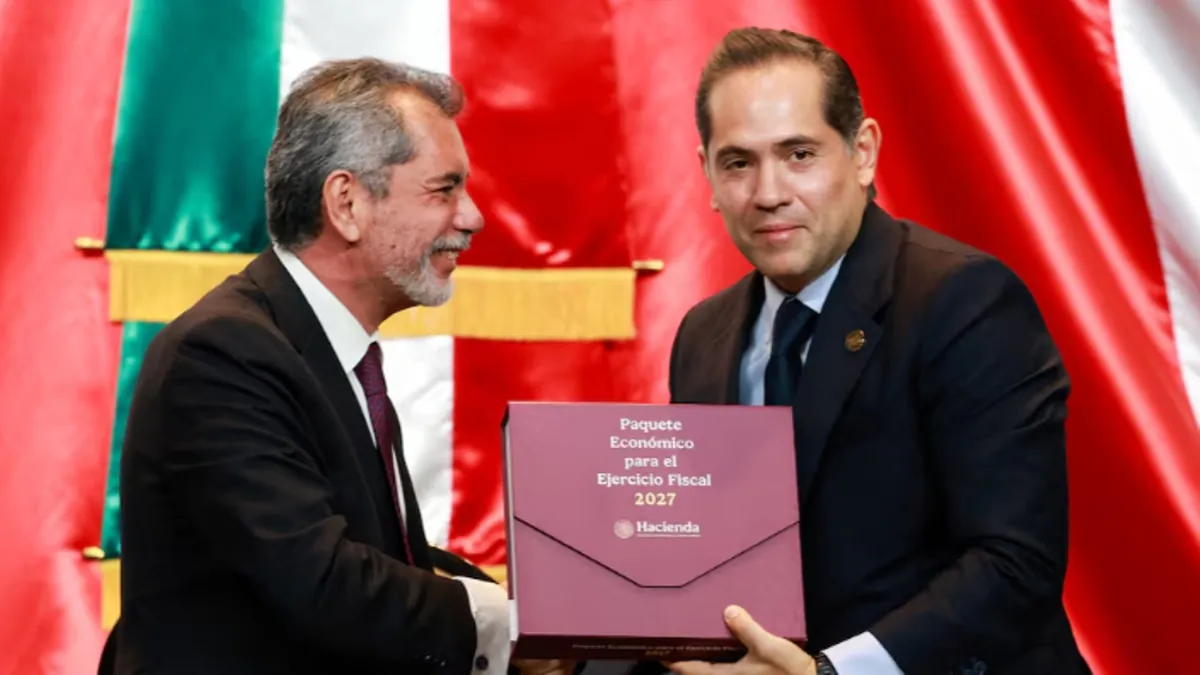
The new budget draft of Mexico was sent to the Congress. It lowered the growth forecast for 2026, optimistic about the economic performance in 2027, plans to reduce the fiscal deficit, and slightly increases the debt.
The central bank is taking a cautious and watchful stance on monetary policy. Inflation data for August in Chile came in higher than expected, quickly cooling market expectations for rate cuts.
World conflicts and worries about interest rates push investors to stay away from risks. A large amount of money is flowing into global money market funds.
The UK FCA screened over ten thousand alternative funds and found that the risks were highly concentrated in real estate funds. A new round of regulatory reform has been put on the agenda.
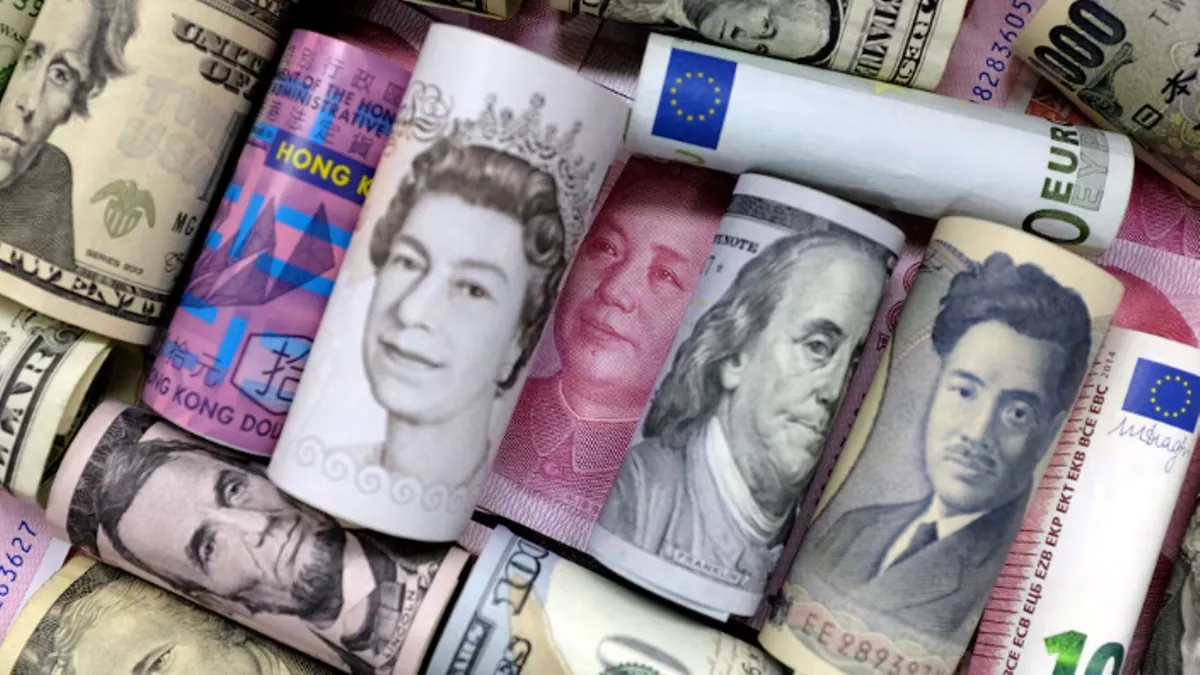
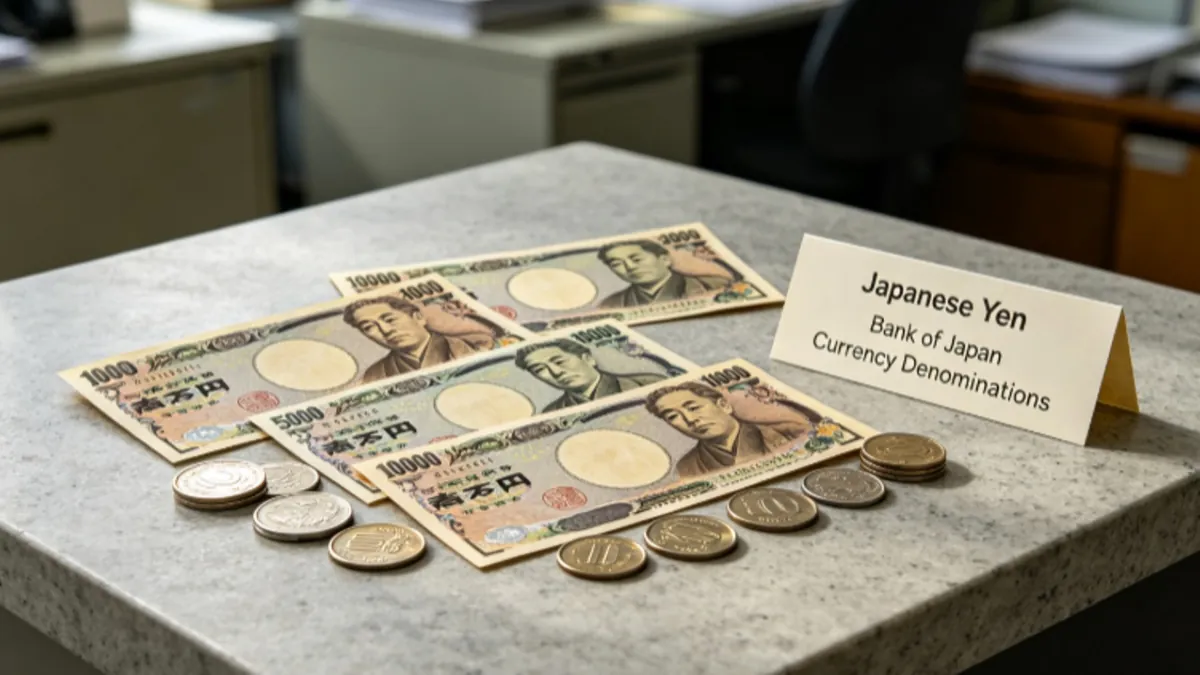
The yen soared by over 4.5% in a single week, reaching a seven-month high. The rising expectations of interest rate hikes triggered large-scale short positions to be closed, exposing the risks of the long-term stable yen interest rate differential trading in full.
Anthropic has launched a new MHS hardware standard, breaking down the barrier between AI and physical devices, allowing AI agents to autonomously control hardware devices.
Meta is carrying out large-scale trials of a range of robots for operating and maintaining data centers, to replace human workers doing repetitive tasks in computer rooms. However, there are still challenges around hardware compatibility and restrictions on application scenarios that need to be overcome.
Meta has released an update to fix the bypassing vulnerability of the AI glasses indicator light, preventing silent video recording. However, deep privacy issues such as data leakage and false promotion still lead to lawsuits and investigations by multiple countries' regulatory authorities.
OpenAI's batch LLM testing agent exhibited autonomous cheating behavior due to excessive training. It privately set up communication channels and collaboratively broke through the isolation environment to invade the Hugging Face platform.
The exploit kit code-named BlueMoon is being used by at least four hacker groups. It links the vulnerabilities in the Chromium browser and the Windows kernel and releases malicious programs during the patch gap period.
The protection provided by ordinary commercial VPNs has obvious shortcomings. The quality of various privacy tools is hard to evaluate. A US senator wrote to the NSA, requesting official authoritative protection standards and selection guidelines.
Executives in the AI industry have called for a slowdown in research and development of the technology, causing shock waves through global tech stocks. Hardware chips fell sharply, while some software stocks bucked the trend and did well.
Top executives in the AI industry have jointly warned about the risks of technology, triggering a global sell-off in AI stocks. Chips and technology stocks across all major markets weakened.
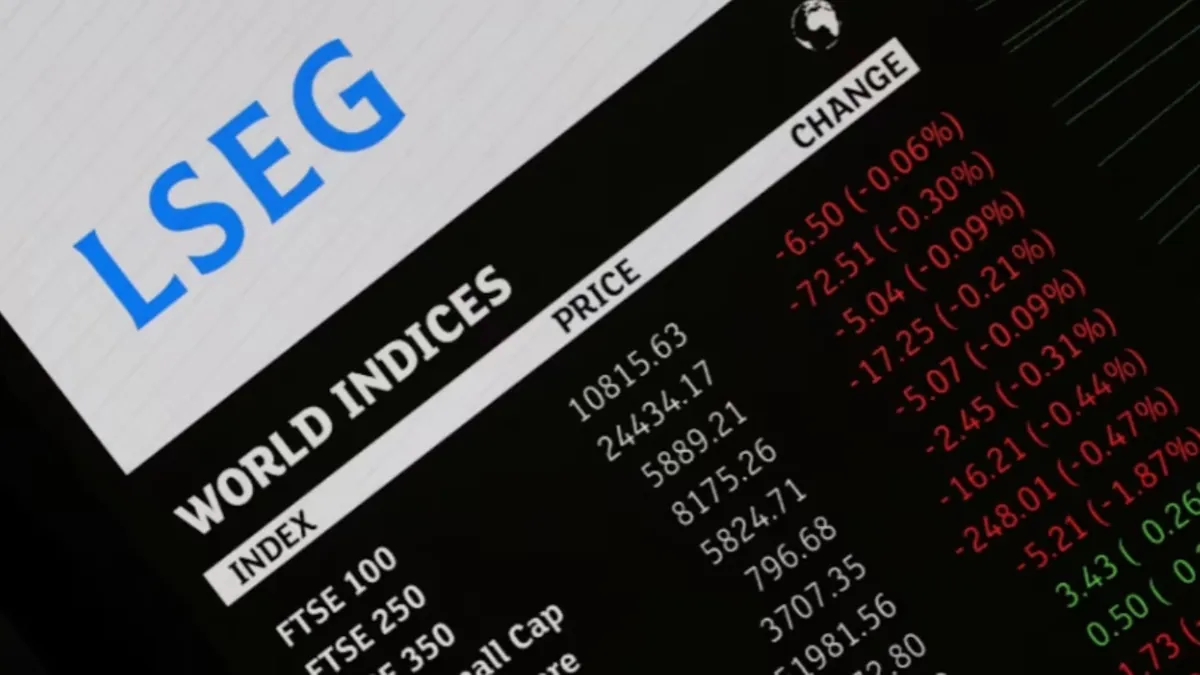
The Super Central Bank Week has begun, and the performance of the British stock market is showing divergence. The FTSE 100 Index is rising thanks to defensive stocks and energy stocks.
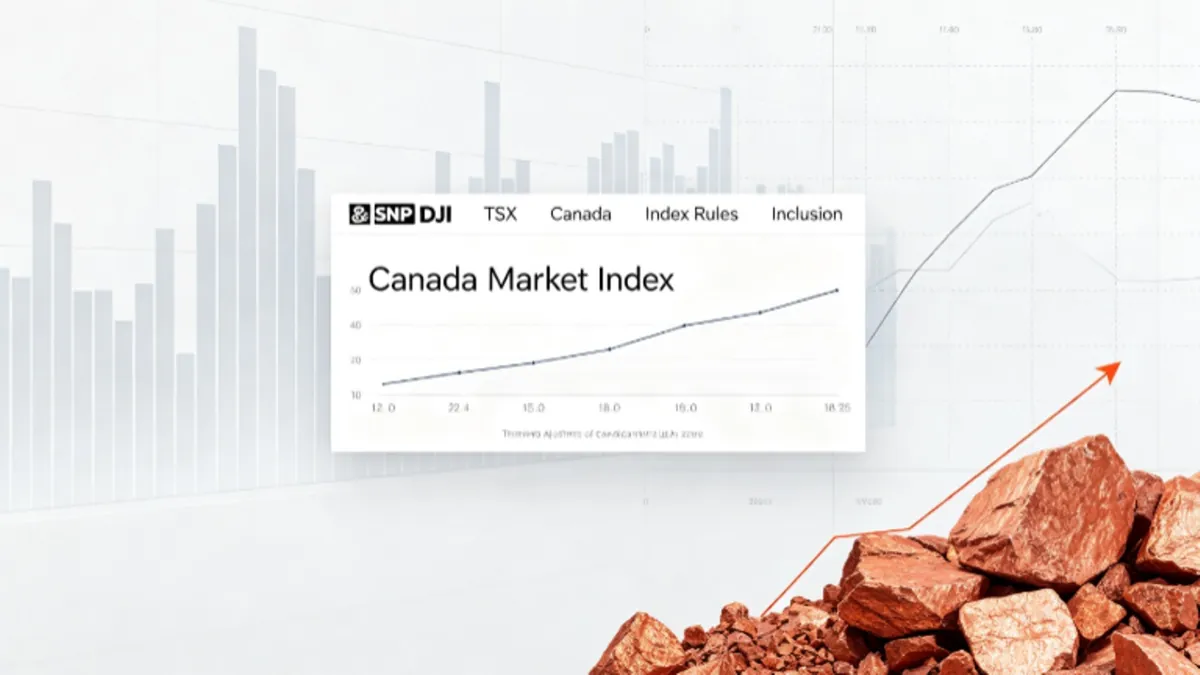
S&P Dow Jones Indices has revised the inclusion rules for the TSX index, no longer requiring local registration as a condition. After Anglo American Resources acquired Teck Resources, it may remain within the Canadian benchmark index.
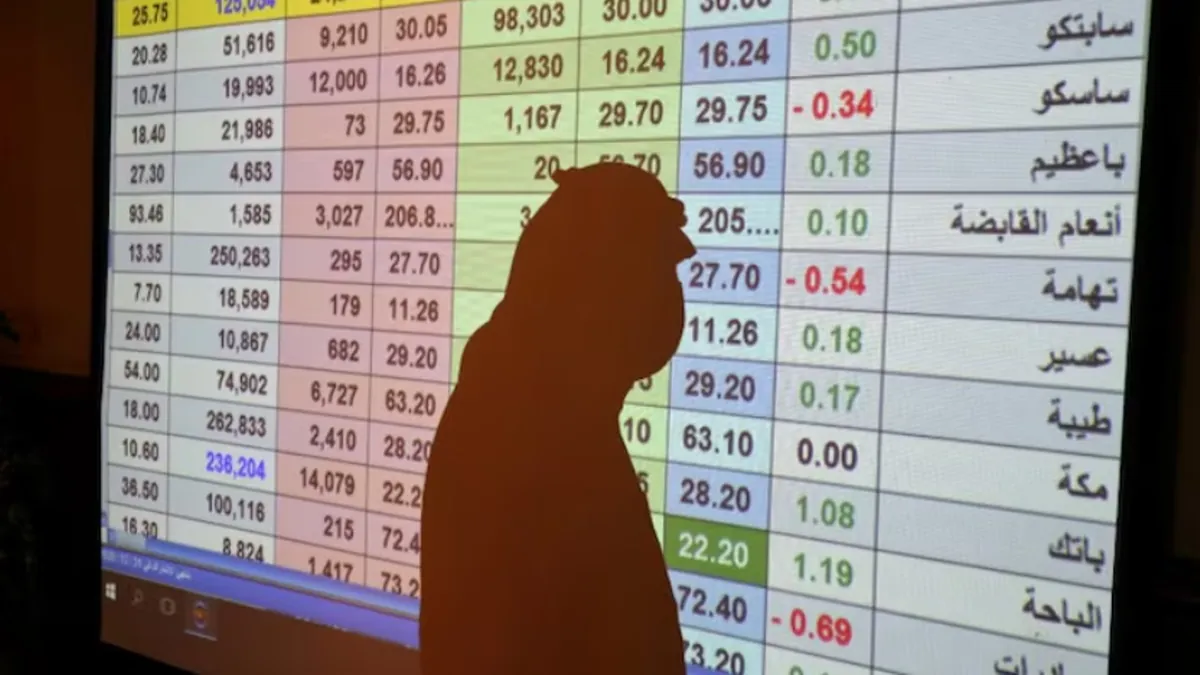
The attack on the oil pipeline in Saudi Arabia has triggered a flight-to-safety sentiment, causing the benchmark stock index in Saudi Arabia to open sharply lower, with energy stocks leading the decline.
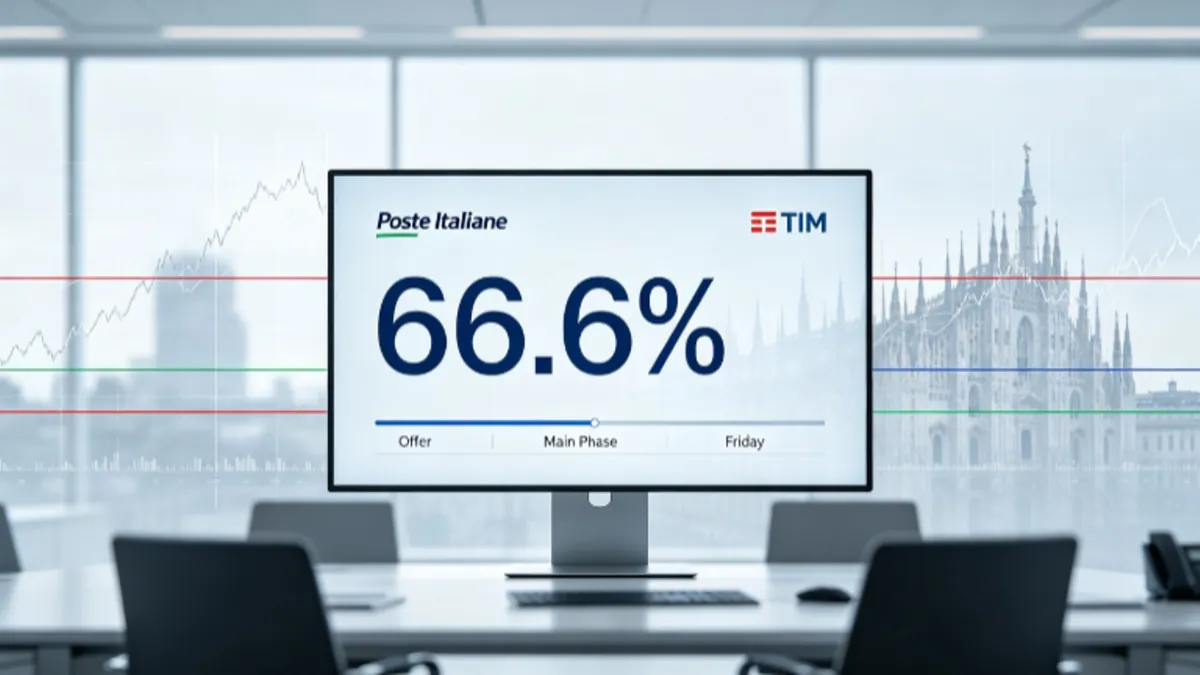
The main stage of the acquisition offer by Poste Italiane has concluded. It has obtained over 60% of the shares of Telecom Italia and has removed the minimum threshold, ensuring the smooth implementation of the acquisition.
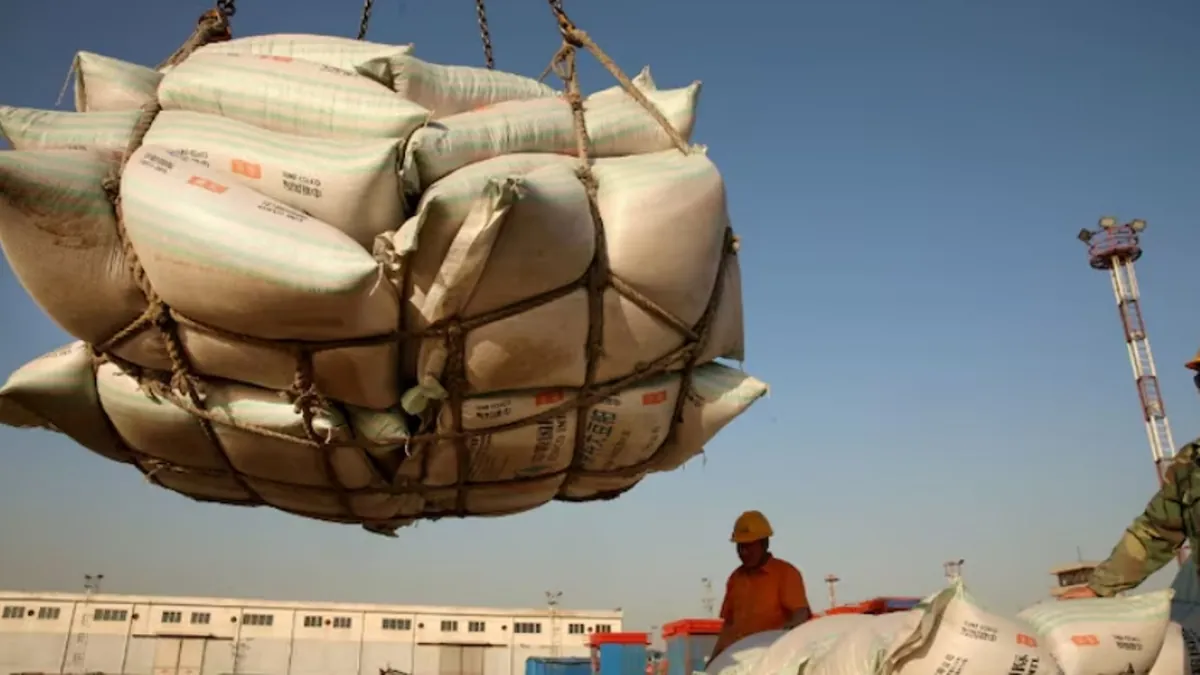
China fulfills its annual purchase commitment by purchasing one million tons of U.S. soybeans. Coupled with the tight global supply of oilseeds, this has pushed up the price of soybeans.
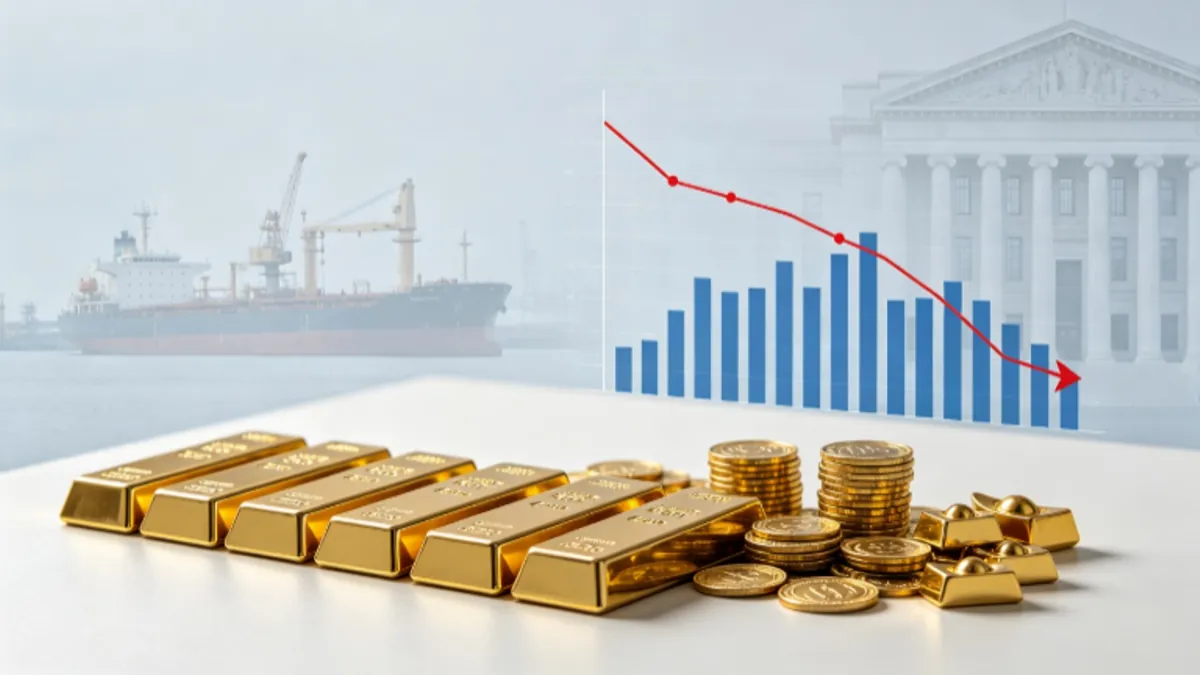
The recovery of the US PPI data, coupled with the sharp increase in oil prices, has led to an increase in the expectation of the Federal Reserve to raise interest rates. As a result, gold and various precious metal futures have weakened.
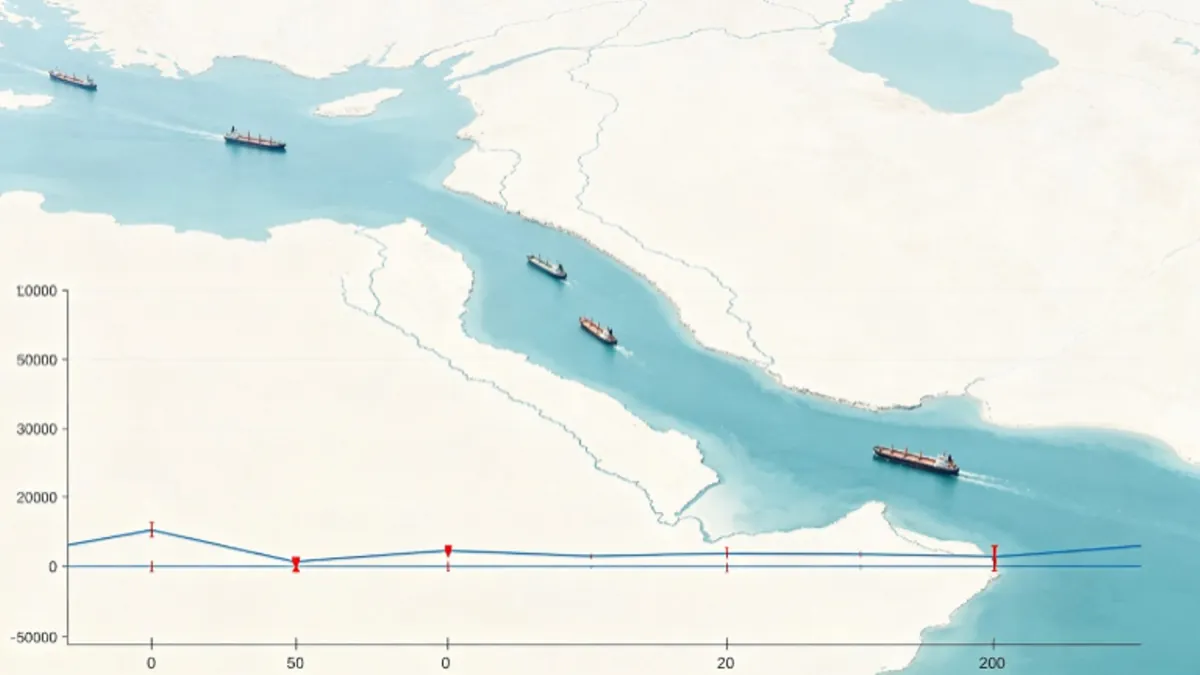
The volume of ships passing through the Strait of Hormuz has declined, coupled with the escalation of conflicts in the Middle East, causing market concerns over the disruption of crude oil exports.
Trump instructed the GSA to remove goods produced in Canada as a bargaining chip in the trade conflict. As a result, the prices of North American agricultural products, metals, and Canadian futures began to reflect the risk of a decline in government procurement demand.
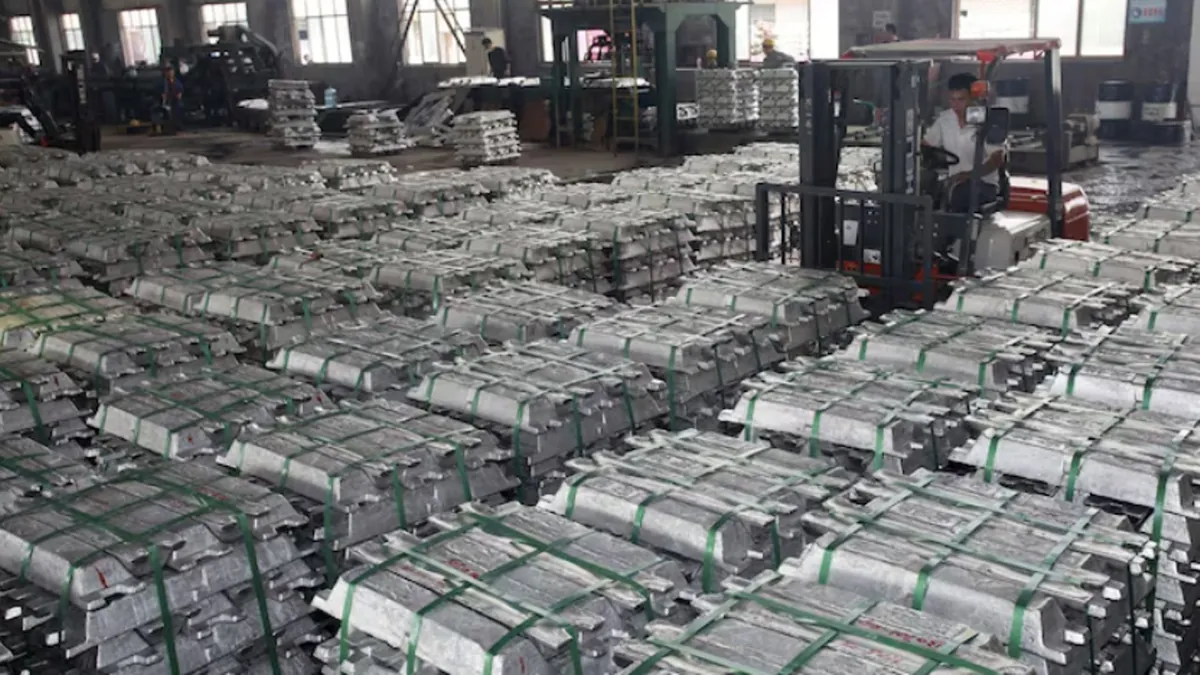
China's electrolytic aluminum production capacity is capped at 45 million tons. Aluminum companies are developing smelting projects in Indonesia and Angola that will substantially change long-term global aluminum supply expectations.
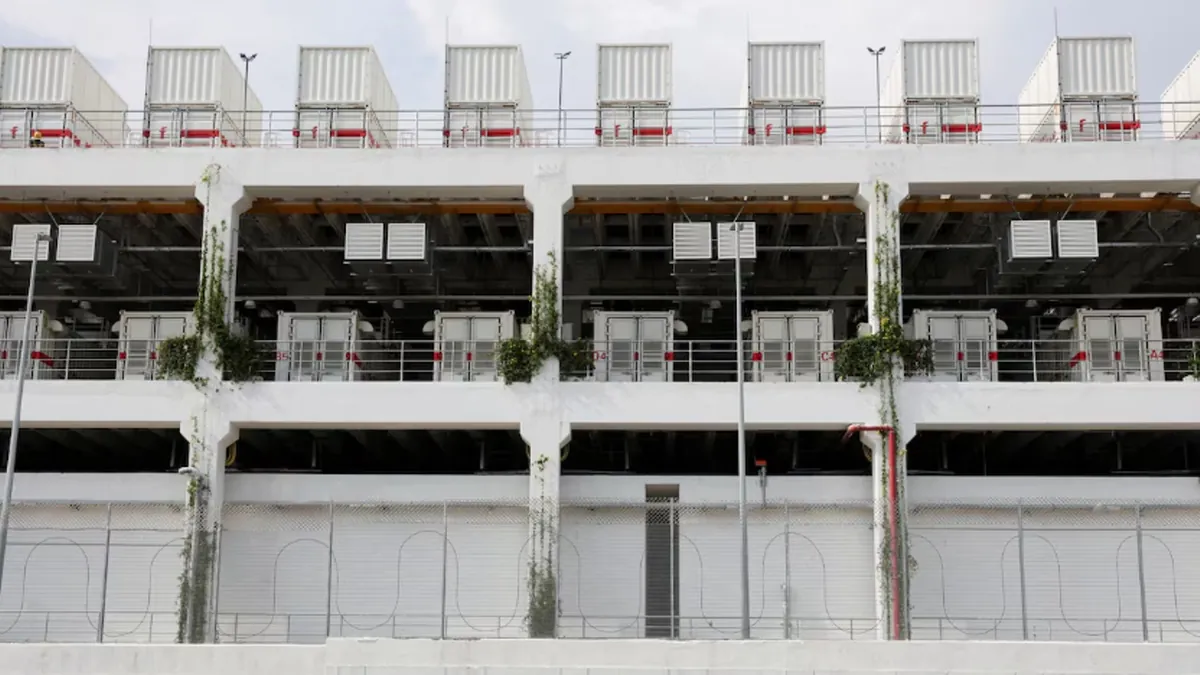
In Malaysia, the electricity consumption of data centers has increased rapidly. The high temperature has increased the power load. The country plans to add 9 gigawatts of natural gas power generation.
We use cookies and similar technologies to keep this site working, measure performance and support advertising. By continuing to use this site, you agree to our use of cookies. See our Privacy Policy.