The electricity consumption of data centers has soared, and the demand for gas in Malaysia has risen
In Malaysia, the electricity consumption of data centers has increased rapidly. The high temperature has increased the power load. The country plans to add 9 gigawatts of natural gas power generation.
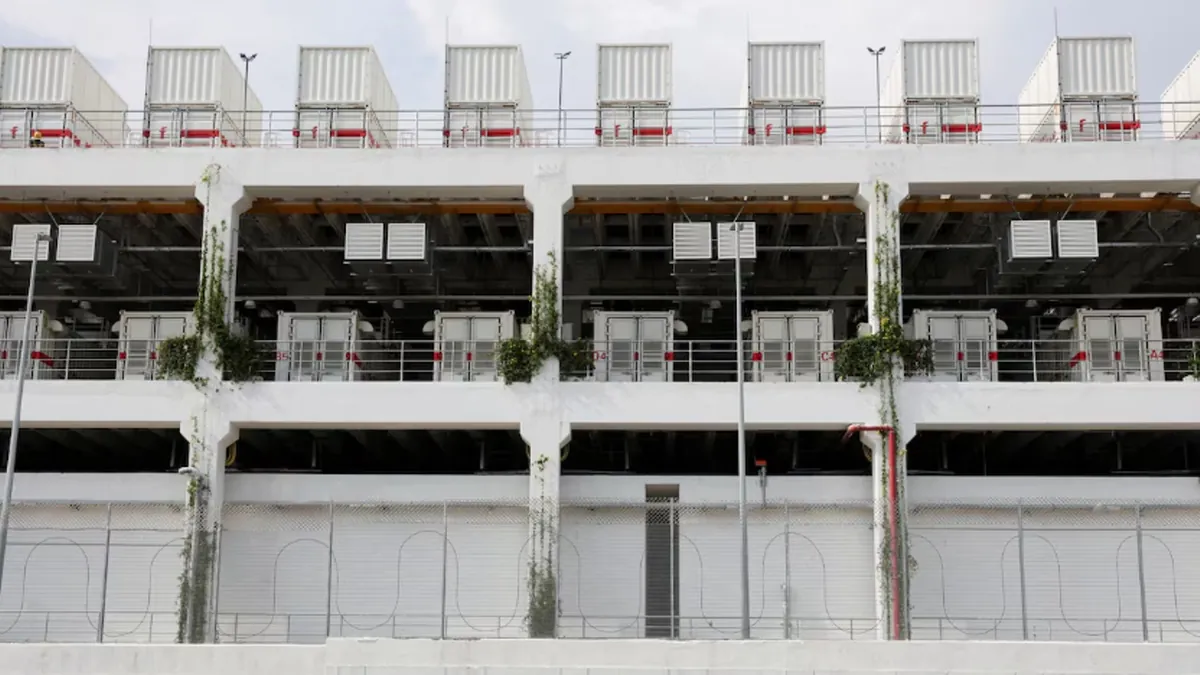
The proportion of electricity consumption in data centers has been increasing.
Affected by the continuous hot weather, the electricity consumption of data centers in Malaysia has risen rapidly. In the second week of August, the proportion of electricity consumption in data centers to the total national electricity consumption reached 9.3%, setting a new record high. The average level for the whole year is only 7%. After the temperature rose, the cooling systems of data centers needed to operate continuously, and the energy consumption increased accordingly.
The hot weather also brings another pressure. The water levels of hydropower dams in Malaysia are low, and the output of hydropower has declined, shrinking the buffer space of the power supply side. The Energy Commission judges that this round of hot weather is likely to last until the beginning of September, but the short-term has already increased the pressure on the power grid. By 2035, the data center sector alone may account for 31% of the total power demand on the Malay Peninsula.
Malaysia has become the fastest-growing data center cluster in Southeast Asia. Overseas technology companies such as Amazon and Microsoft have made large investments, and a large number of newly built computing power centers have been put into operation. The computing power industry itself has high energy consumption, and the cooling systems operate continuously, driving the upward trend of electricity demand. Data centers belong to stable electricity consumption loads, unlike residential electricity consumption which fluctuates only during specific periods. This rigid growth in electricity demand requires long-term stable base-load power sources in the region, and natural gas power generation has become an important option.
9 Giga-watt gas power generation gap awaits filling.
Malaysia is advancing its energy structure transformation and plans to shut down all coal-fired power plants by 2044. After the coal-fired power plants are phased out, new power sources are needed to fill the power supply gap. The Minister of Economy stated that by 2032, the country needs to add 9 gigawatts of natural gas power generation capacity to meet the growing electricity demand. The utilization of natural gas for power generation is partially a result of the energy transformation and partially due to the availability of domestic natural gas resources and its lower carbon emissions in comparison to coal. The country has a large domestic reserve of natural gas.
There are two opposing views in the market on the level of stress on Malaysia's electricity supply. The Energy Committee has seen the electricity consumption data continue to rise, with high temperatures and the reduction in hydropower output, resulting in significant short-term load pressure. However, there are also some optimistic voices who believe that the electricity growth brought by data centers has already been incorporated into the grid planning framework, and there will be no power shortage in the short term, as the demand growth is controllable and steady.
Southeast Asia is one of the core markets for global LNG trade. The electricity investment plans of countries in the region will continue to affect spot and forward LNG contracts. In the past, the market focused on the purchase volumes of Japan, South Korea and China. Now, data centers and energy transformation projects in Southeast Asian countries have gradually become independent fundamental variables. Traders will continue to track the approval progress of power plants in Malaysia and the production schedule of data centers to judge the speed of natural gas demand fulfillment.
Regional fluctuations in the LNG market have intensified the competition for natural gas purchases in Southeast Asia.
The restricted shipping in the Strait of Hormuz and the decline in LNG exports from the Gulf region have led to a scramble among Asian buyers for limited LNG supplies. Other countries within the region are facing tight gas supply, and some projects have been forced to slow down. Malaysia, relying on its domestic natural gas resources, has attracted investment from technology enterprises for computing infrastructure development, pursuing a differentiated strategy. Even though it has domestic natural gas resources, as the scale of gas-fired power plants expands, LNG imports may still increase in the future to fill the gap.