Confidence among Japanese large enterprises has improved
In September, the confidence of large enterprises in Japan rose. The demand for semiconductors and data centers became the main driving force for the manufacturing industry. However, enterprises remain vigilant about multiple downside risks.
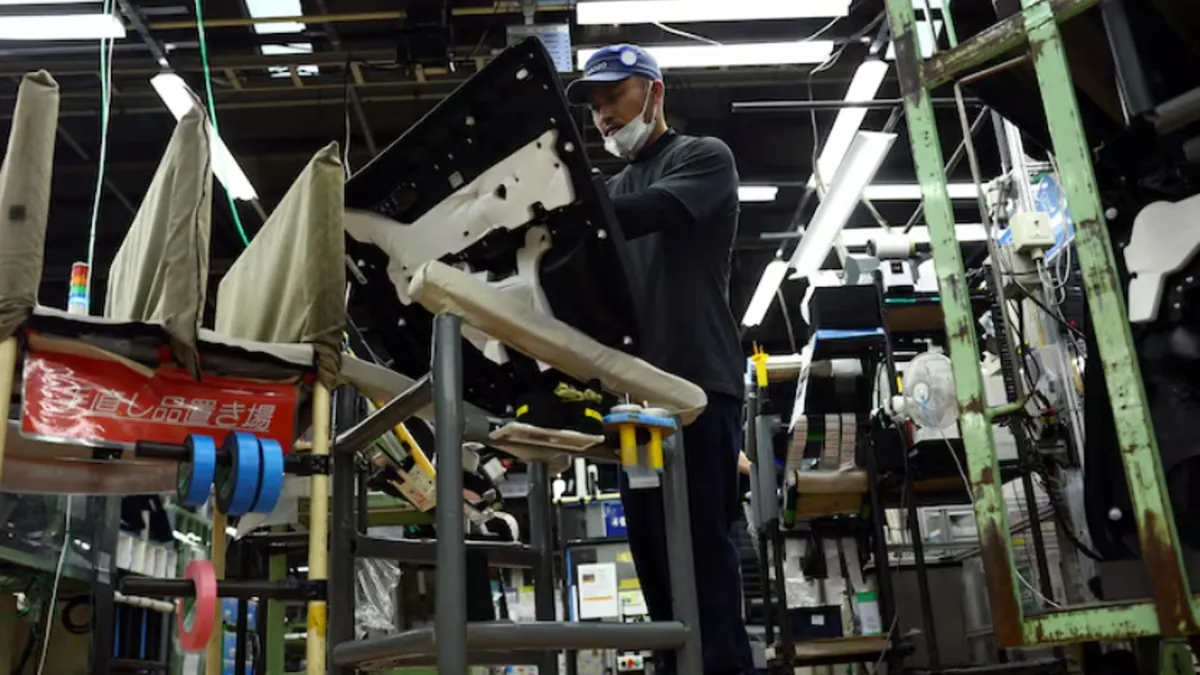
The business sentiment data for September was released, and the manufacturing sector reached a five-year high.
According to the survey, large manufacturers in Japan were most confident about their business in September in five years. The survey was conducted from August 26 to September 4, and questionnaires were distributed to a total of 510 enterprises. A total of 224 valid responses were received. The calculation method of the sentiment index is straightforward - subtract the proportion of pessimistic enterprises from the proportion of optimistic enterprises, and the higher the net value, the stronger the overall optimistic sentiment of the enterprises.
The manufacturing sector confidence index rose from +18 in August to +21 in September. In retrospect, the sentiment toward the manufacturing sector has been steadily repaired for several consecutive months since April +7. The non-manufacturing sector performance was relatively mild, rising from +28 to +29, remaining within the fluctuation range since 2025 and without a large jump. Judging from the expectations of enterprises for the next three months, the manufacturing sector's confidence expectation further increased to +27, and the non-manufacturing sector's expectation also reached +27.
The electronics industry has exploded.
This time, the largest contributor to the improvement in manufacturing sector sentiment was the electronics sector. The sentiment sub-index of the electronics sector rose from +24 in August to +39, the largest increase among all the sub-sectors. The core driving force behind this is the AI industry. The demand for data center-related orders remains hot, and a large amount of AI capital expenditure flows to Japanese chip manufacturers, semiconductor testing equipment companies and component suppliers.
Apart from the electronics industry, the prosperity of the precision machinery sector remained at +29, remaining stable. The metal products sector saw a slight increase, moving from +25 to +26. The textile and pulp industries improved greatly and prosperity moved from 0 to +13. However, some industries were still under pressure. The steel and non-ferrous metals sectors remained at a prosperity level of -13, and the pessimistic sentiment did not ease.
The real estate and construction industries strengthened, while information and communication weakened.
The internal differentiation characteristics of the non-manufacturing sector were very prominent, and the hot and cold conditions of the sectors varied greatly. The opinion of the real estate and construction industries rose from +32 to +37, an outstanding sector in the non-manufacturing sector. The opinion of transportation and public utilities also increased from +25 to +33. The retail industry rebounded, with the sentiment rising from -9 to +18, indicating signs of marginal repair in the consumption end. Some industries experienced a decline, while the sentiment of the information and communication sector dropped from +33 to +21.
Enterprises need to be vigilant against geopolitical, cost and domestic demand drag.
Although the short-term business sentiment expectations of enterprises are positive, the surveyed enterprises are not blindly optimistic. The three risks continue to suppress enterprises' judgment: the unstable situation in the Middle East, fluctuations in raw material costs, and weak domestic consumption in Japan. The unstable situation in the Middle East will directly affect global energy supply and push up the prices of crude oil and other commodities. Rising raw material prices will compress the profits of manufacturing enterprises, especially those in the metal and processing sectors, and the cost pressure will be quickly transmitted.
The recovery strength of domestic consumption in Japan is insufficient, which is a concern for the non-manufacturing sector. Although retail rebounded in the short term, the overall consumption willingness of residents is weak. This leading business sentiment data will also affect the policy judgment of the Bank of Japan. The Bank of Japan observes enterprise profits, capital expenditures and inflation situations. The improvement in enterprise confidence will increase discussions on monetary policy adjustments.However, as long as domestic demand is weak and external geopolitical risks persist, the central bank is unlikely to quickly tighten policies.