Ellison cancels $7.5 billion Oracle share reduction plan
Oracle founder Ellison halts the large-scale stock sale plan, and the risk of large-scale selling pressure has disappeared in the short term.

The $7.5 billion share reduction plan has been cancelled.
On September 12th, Oracle announced that co-founder Larry Ellison has decided to withdraw a stock reduction plan. According to the plan, about 50 million shares of Oracle stock could have been sold by him. Based on the closing price on Friday, the total value of these shares was about $7.5 billion.
Ellison filed the plan to reduce his holdings on June 22nd, 2026 and it was originally scheduled to expire on October 24th, 2026. Oracle stated that since the plan took effect, Ellison has not sold any shares of the company and there are no new reduction arrangements at present. Ellison, who is 82 years old, has held the position of Oracle CEO for a long time and stepped down from this position in 2014. He is the largest shareholder of Oracle, holding more than 38% of the shares.
If the sale is executed, it will bring considerable supply pressure to the stock market. The timing of the announcement is quite special. Just this week, Oracle released its latest quarterly report, with multiple data points better than market expectations, and the capital expenditure level lower than previous pessimistic conjectures. The stock price began to rise on Friday, but the upward trend could not be sustained, and the intraday trend reversed.
So far this year, the Oracle stock price has dropped by nearly 23%. On June 18th, the last trading day before Ellison finalized the reduction plan, the stock price fell more than 18% compared with the previous high. Generally, the market is worried that the company has large scale capital expenditures and its free cash flow is tightening constantly. Against this backdrop, the founder's large-scale share reduction has once again intensified investors' concerns.
The latest financial report has released a mitigating signal, but the reorganization has brought in additional costs.
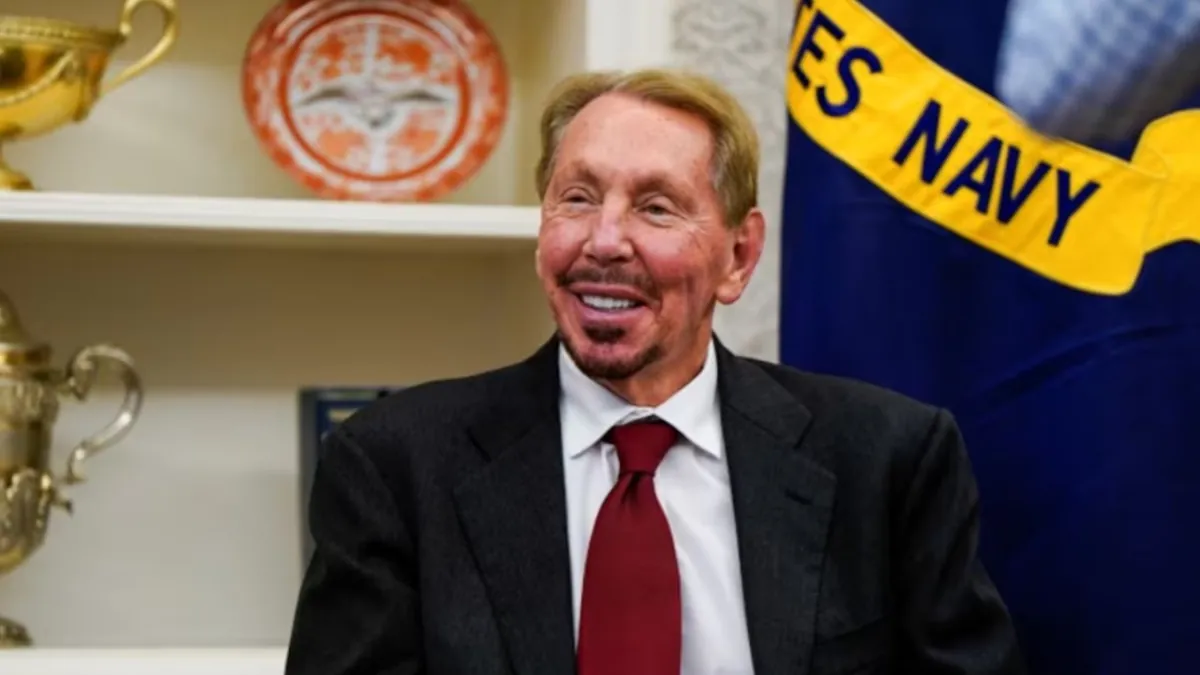
Before this, the biggest concern in the market was Oracle's continuous increase in investment in AI-related areas, with rapid rises in capital expenditures. The market was worried that the company would rely on borrowing to sustain such high expenditures, and the long-term financial burden would keep increasing. The capital expenditure data provided in this report is lower than the figures previously estimated by analysts, which to some extent alleviates the market's panic over debt-driven expansion.
However, this report also contains new negative news. Oracle announced its reorganization plan, which includes measures such as staff layoffs. The corresponding related costs will increase by $700 million. The reorganization itself is to optimize the organizational structure, reduce staff, and the long-term goal is to lower daily operating expenses. Analysts' opinions on this are relatively cautious. They believe that although the capital expenditure pressure has eased, it will take a relatively long time for free cash flow to return to a stable level. This is the core reason for the stock price to rise on Friday and then fall again.
The influence of major shareholders' actions on Oracle's market pricing.
In the U.S. stock market, the actions of founders and major shareholders' share sales are often regarded by investors as important signals. Many traders interpret this as insiders not expecting a positive performance in the company's stock price in the future. When Ellison submitted his share reduction plan in June, the company's stock price was already falling, and the news further intensified the pessimism in the market. High shareholding ratio of shareholders means that their every move can influence market sentiment.
Now, he has withdrawn the plan. There are various speculations in the market. Some people think that after the release of the financial report, the company's fundamentals have improved slightly, and Ellison chose to hold shares, which means that insiders have confidence in the company's long-term value. Others believe that it is just because the current stock price is too low and not suitable for large-scale selling, so he has temporarily postponed the share reduction, but it does not mean that he will not introduce a new sale plan in the future.