Geopolitical shocks have dealt a heavy blow to the Saudi stock market
The attack on the oil pipeline in Saudi Arabia has triggered a flight-to-safety sentiment, causing the benchmark stock index in Saudi Arabia to open sharply lower, with energy stocks leading the decline.
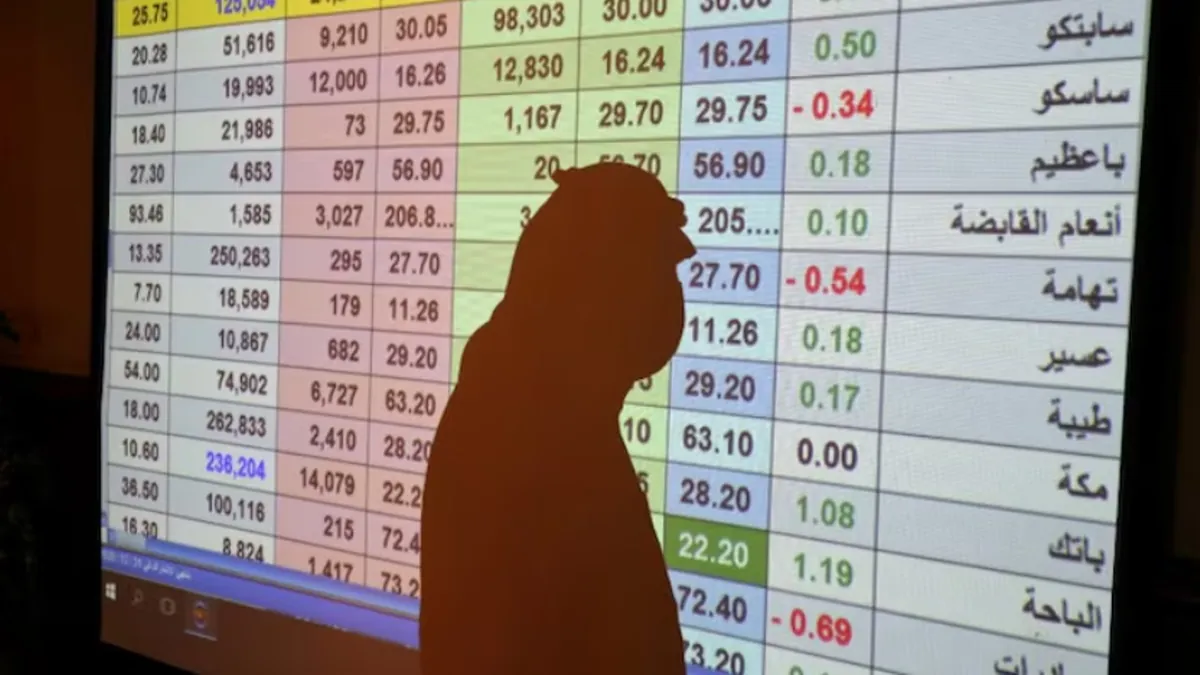
Saudi stock market posted its steepest one-day fall since April.
The Saudi Arabia benchmark TASI index retreated on September 13th, with midday losses of 1.3%, the biggest one-day fall since April of this year. Selling pressure was spread across the whole market with funds quickly pulling out of the heavy sectors. The index pullback was not an issue for a single sector - both banks, mining companies and leading energy stocks weakened, dragging the market down.
The regional geopolitical conflict intensified, and reports of attacks on pipelines and attacks on maritime vessels emerged one after another. Investors feared a further flare-up of the conflict which could have hurt business operations and energy exports. Risk-averse funds sold local shares. But there were variances in regional capital preferences. Qatar's stock market rose.
Energy-related stocks posted the biggest losses.
Saudi Aramco, as the largest weightstock in the market, saw its share price drop by 1.6%. The decline of this company directly affected the performance of the index. The market began to assess that if the export pipelines were shut down for a long time, the oil shipment rhythm would be disrupted, directly impacting the company's revenue. Luberef's decline was even more astonishing, with a single-day drop of 10%, becoming the worst-performing stock on the market that day. This company operates based on petroleum infrastructure, and the news of damaged pipeline facilities led investors to quickly lower their expectations for its future operations.
Apart from the energy sector, mining and bank weightstocks also weakened. The share price of Saudi Arabian Mining Company dropped by 3.2%, and Al Rajhi Bank fell by 1.2%. Resource stocks are affected by the expectations of global commodities, while bank stocks also need to assess the domestic economic uncertainty brought about by the geopolitical conflict.
The pipeline was attacked, disrupting the export route of crude oil.
The trigger for this stock market turmoil was the air strike that occurred on Thursday. The target of the attack was in the Riyadh and Medina areas. This east-west oil pipeline was forced to suspend operation, and the attack also caused injuries to people. This pipeline belongs to Saudi Arabia's alternative route for exporting crude oil, bypassing the Strait of Hormuz. If the shipping in the Strait is restricted, this land pipeline will be the key to ensuring the export of crude oil.
After the incident, all parties blamed each other. The Saudi side temporarily postponed the immediate plan to launch military retaliation. However, the Saudi authorities still stated that they would defend their country's sovereignty and key infrastructure and reserve the right to retaliate. The United States also directly attributed the responsibility for the pipeline attack to Iran. Combined statements from all sides further heightened market worries about the conflict spreading. If the pipeline cannot resume operation in the short term, global crude oil supply may decrease by 4%.
Global inflationary pressure has risen again.
The potential shortage of crude oil supply has impacted the already tight global energy market. The increase in energy prices will continue to push up the global inflation level. The bond market was the first to react, with the yield on U.S. Treasuries continuing to rise and reaching the highest level since the 2008 financial crisis. High bond yields will suppress the valuations of various equity assets worldwide. The stock markets in the Gulf region naturally can not escape the impact.
Global funds will re-evaluate the pricing of risky assets. The stock markets of oil-producing countries in the Middle East are deeply linked to oil prices. An increase in oil prices is beneficial to oil companies, but if the conflict expands, production facilities are constantly at risk of being attacked, and funds will no longer dare to hold energy stocks.
Qatari stock market climbed.
Market trend - Qatar's benchmark index edged up 0.3%, the only gainer in a sea of regional declines. It was led higher by Qatar National Bank, the biggest lender in the Gulf. The strength of individual stocks supported the overall market. The market's attention was turned to the diplomatic talks held in Oman. The foreign ministers of the Gulf countries will meet with the Iranian representatives to attempt to reach a temporary management agreement for shipping in the Strait of Hormuz. Market analysts stated that unless the talks quickly produce substantive progress, the cautious sentiment in the regional markets will be difficult to be quickly alleviated.