The market sharply divided, and the London stock market rebounded slightly
London's stock market went up a little on September 11. Bank and building material shares did well. Still, the market lost a lot over the whole week.
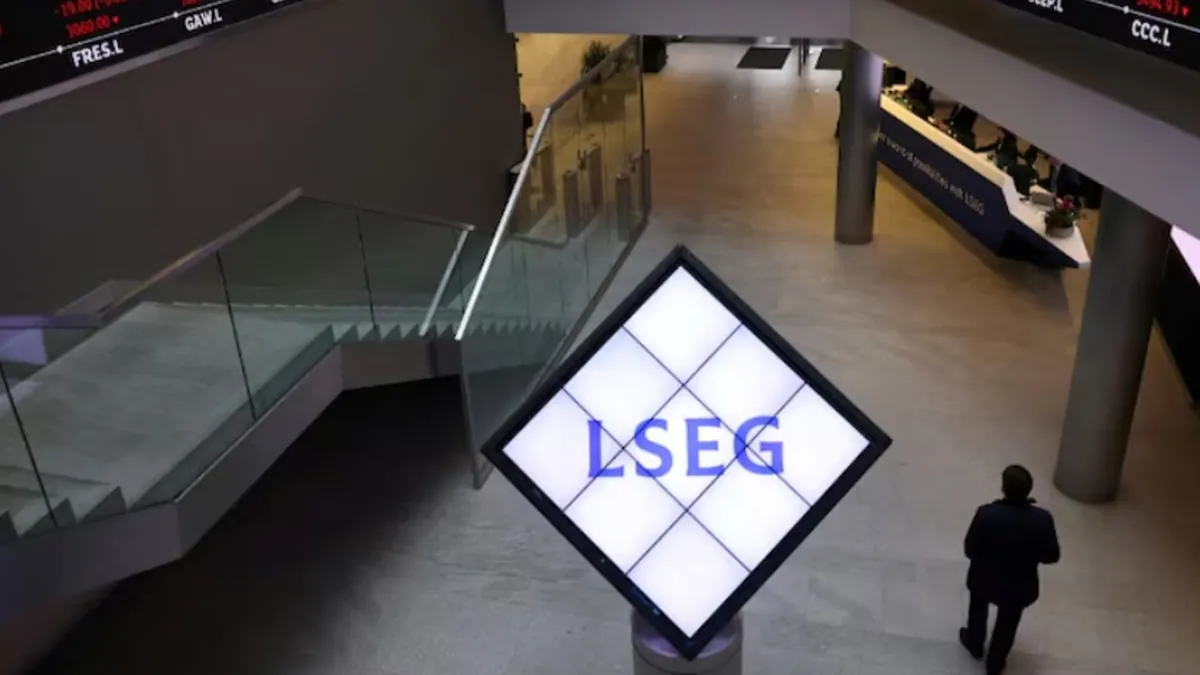
One day of modest gains, but a week of losses.
London's two main core stock indices edged up on September 11th following a run of days of losses. The FTSE 100 blue-chip index opened up by 0.4%, and the FTSE 250 mid-cap index also closed up by 0.4%. The single-day rebound was only a short-term emotional recovery. This week, the overall performance of the London stock market was dismal. The FTSE 100 index recorded its largest single-week decline since the end of July, and the FTSE 250 mid-cap index showed even weaker performance, recording the most severe weekly decline in four months.
The core trigger of this round of stock market fluctuations is the tense geopolitical situation in the Middle East. The repeated conflicts between the U.S. and Iran have disturbed the market, coupled with the rise in oil prices and the rising concerns about inflation rebound. Investors generally worry that high oil prices will push up overall inflation, forcing the Bank of England and the Federal Reserve to maintain a tight monetary policy, thereby suppressing stock market valuations. Oil prices saw a short correction on Friday, dropping as much as 2%. But the good spirit was short-lived and the worries in the markets never really went away. Risk appetite recovered quickly, contributing to the movement in the stock market.
The banking sector made a strong recovery.
The financial sector, which had been a drag on the overall market, bounced back strongly Friday this week. The banking sector ended its three-day decline and entered a rebound phase. HSBC rose by 1.5% on the day, and Barclays rose by 1.9%. The rise of these two established major banks led to the recovery of the entire financial sector, stabilizing the foundation of the blue-chip index.
Currently, the market consensus expectation is that the global high-interest-rate environment will persist for a long time, which is a real benefit for the banking sector. Stabilizing the relatively high interest rates can increase the net interest margin of banks, improve the overall profit space, and make bank stocks a preferred target for investors seeking safe havens. Compared with the data two weeks ago, the market expected the Bank of England to raise interest rates by 44 basis points, while the previous expectation was only 25 basis points.
Building materials led the gains, energy sector outperformed weekly.
On Friday, the construction and materials sector led the market with a 1.8% increase, being the best-performing industry sector of the day. Infrastructure and materials-related stocks strengthened against the trend, becoming another bright spot apart from banks. The UK's economic growth rate in July reached a 18-month high. The development of AI industry has improved market expectations for demand in the infrastructure and real estate upstream and downstream industries, driving the valuation of the building materials sector to recover.
This week, the leading sector remained the energy sector. Brent crude oil held above the $100 level, supporting the revenue expectations of energy companies throughout the period. Even though oil prices briefly declined on Friday, it did not change the overall pattern where the energy sector led the market this week. The uncertainty in energy supply caused by geopolitical conflicts has supported oil prices and the valuations of energy stocks.
Bearish stocks have emerged in a concentrated manner.
Some stocks have embarked on an independent downward trend. Shares in telecoms company Gamma Communications fell 2.9% on Friday, giving up earlier gains after it abandoned plans for a merger. Waterland called off its plan to buy Giacom. All expected gains from the planned merger are gone. The stock price fell and money poured out fast once the news was announced. The energy stock Harbour Energy also performed weakly, dropping 1.9% on the day. The negative impact originated from changes in the equity level. The largest shareholder of the company, BASF, announced the withdrawal from reducing holdings.
The global monetary policy expectations continue to tighten.
The fluctuations in the London stock market are not only influenced by local conditions, but also the U.S. economic data are disturbing the pricing of global assets. The latest data shows that the year-on-year increase in the U.S. CPI increased in August to a four-month high and the pickup in inflation was more than anticipated. The rise in inflation data strengthened the market's expectations for the Fed's interest rate hike. The expectation of global monetary policy tightening has intensified, and the liquidity tightening pressure has been transmitted to the European market, limiting the rebound height of the London stock market. Even with the recovery of local economic data and sectoral benefits, it is difficult to achieve a trend-driven strong rally.