Meta launches multi-type robots into data centers
Meta is carrying out large-scale trials of a range of robots for operating and maintaining data centers, to replace human workers doing repetitive tasks in computer rooms. However, there are still challenges around hardware compatibility and restrictions on application scenarios that need to be overcome.
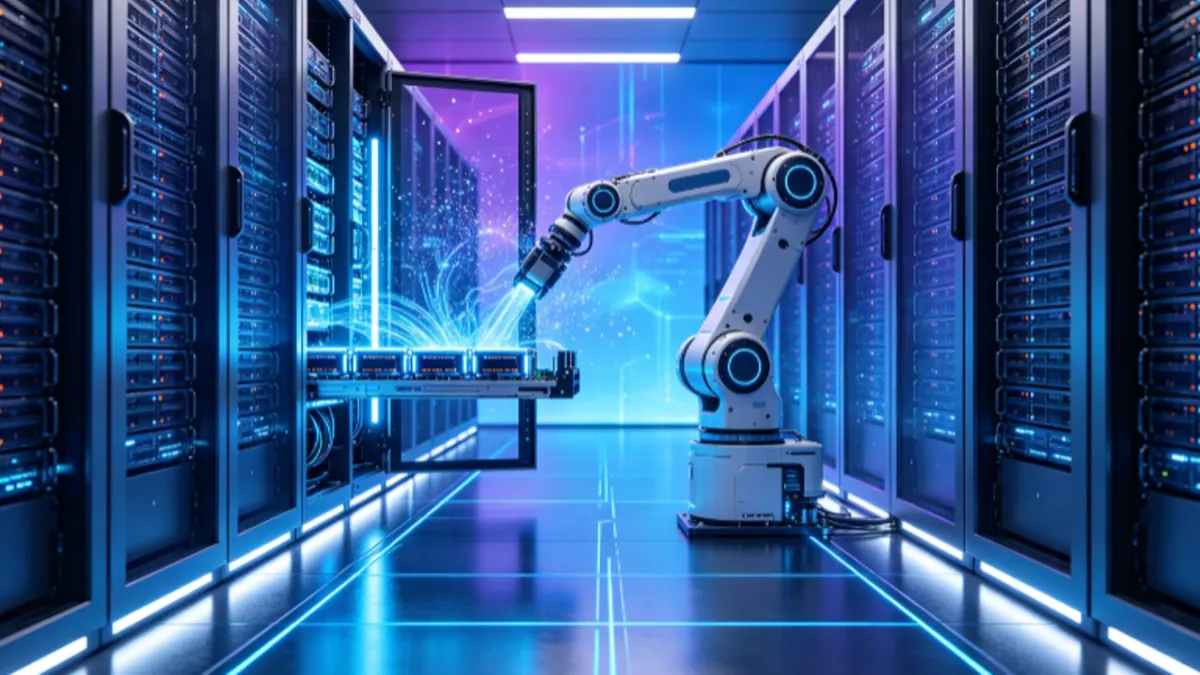
Multiple brands of robots are used for operating and maintaining data centers.
With the explosive growth in AI computing power demands, Meta's data center scale continues to expand. To meet the rapidly increasing infrastructure needs, Meta quietly launched a robot substitution plan and introduced equipment from multiple manufacturers. The robots tested by Meta come from three major suppliers - Watney Robotics, Kinova and ABB. Each covers different operation tasks. Once the entire automated solution is mature, it can replace 80% of the repetitive manual work in the data center.
Watney Robotics is mainly responsible for the cumbersome tasks of network cable insertion and replacement, as well as line replacement. The Kinova Gen3 robotic arm specializes in server operation and is specifically used to complete basic operations such as power disconnection, restart, and power cycle. The ABB four-wheel lifting robot tested in Ohio is equipped with a six-axis robotic arm and can perform lifting operations, responsible for reinstalling server components and resetting hardware, etc.
Reduce costs and adapt to the expansion pace of AI infrastructure.
At present, the demand for AI model training and inference worldwide has surged, and data center computer rooms operate 24/7 without interruption. The pressure on manual operation and the cost of human resources have increased. The traditional data center operation and maintenance mostly involve repetitive and mechanical physical work. The technical threshold is low, but it consumes a large amount of manpower and is prone to human errors. Robots can perform standardized operations and have far greater stability than humans.
Data centers in remote areas generally face the problem of a shortage of skilled operation and maintenance workers. Robots can operate continuously and stably without being restricted by location or manpower, perfectly adapting to the operation needs of remote data centers. In the long run, robots can also adapt to extreme environments that are not suitable for human work. Industry manufacturers also generally favor this solution, and more and more enterprises are beginning to develop dedicated robots for data centers.
Human roles undergo transformation.
The large-scale testing of robots has caused significant anxiety among Meta's frontline operation staff. Grassroots employees generally believe that repetitive manual jobs will gradually be replaced, and the number of operation positions will continue to decrease in the future. In addition to the reduction in positions, the employment model is also changing. Meta is upgrading the intelligent operation and maintenance system to support it. In the future, only basic workers who can operate according to the instructions of AI and robots will be needed, and the technical threshold and salary level of the positions will decrease. In response to the doubts about layoffs and replacements, Meta stated that there is a large talent gap in the current infrastructure boom, and it urgently needs to expand the recruitment of skilled workers rather than lay off employees.
There are still bottlenecks in the implementation of automation.
At present, the Meta server room robots have not achieved full maturity. During the actual testing process, many technical shortcomings were exposed, and they can not completely replace human labor for the time being. Currently, all the equipment in the server rooms is designed for manual operation, and the hardware system needs to be comprehensively modified to adapt to the automated operation of robots. This process is time-consuming and labor-intensive. During daily maintenance, the inventory inspection robots can only recognize grayscale images and can not distinguish the red and green fault indicators of the equipment. Fault screening still requires manual verification.
The robot is not very mobile. It can easily get stuck in places with many cables in the server room or in narrow corners. It can not move by itself between buildings, but must be carried and scheduled manually. There is also a significant deficiency in the operation efficiency. The robot's running speed is slow, the charging and shutdown time is long, and the overall operation efficiency is lower than that of humans. Currently, there is no verified and fully mature solution for server room robots in the industry. All manufacturers are still in the pilot and refinement stage, and there is a long way to go before large-scale commercial use.
Industry concerns are gradually emerging.
Local governments, in an effort to attract the establishment of technology infrastructure, offer large tax breaks to Meta. The main basis for this is the large number of job opportunities that the project brings. The Iowa park annually reduces tens of millions of property taxes for Meta. The local government believes that the park's establishment has led to job creation and enhanced the vitality of urban development. However, the trend of robots replacing humans is gradually eroding this employment benefit, triggering new controversies.