The privacy protection of VPNs is in a chaotic state
The protection provided by ordinary commercial VPNs has obvious shortcomings. The quality of various privacy tools is hard to evaluate. A US senator wrote to the NSA, requesting official authoritative protection standards and selection guidelines.
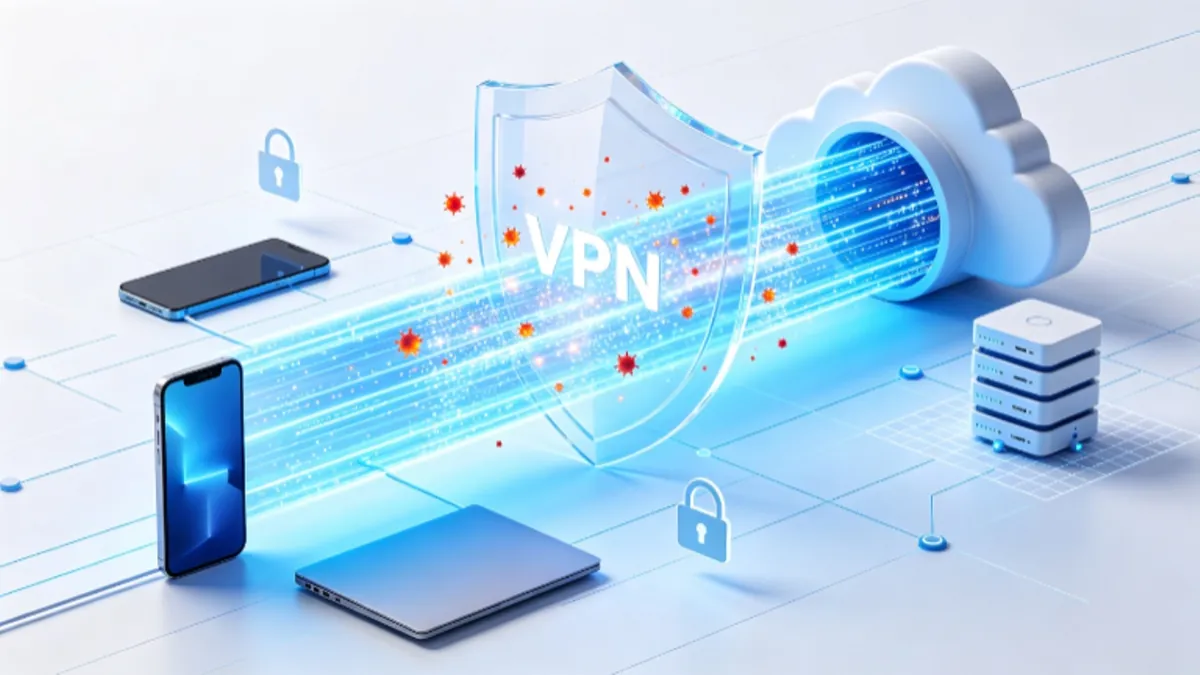
Ordinary users are trapped in the dilemma of VPN selection.
Nowadays, there are numerous VPN products available online, and most ordinary users, as well as some confidential professionals, cannot distinguish the actual protection capabilities of different VPNs. Commonly seen short videos and web advertisements on the market often exaggerate the privacy protection effect of VPNs, misleading users into making blind choices. The relevant departments in the US only generally recommend that the public use VPNs to protect network privacy and resist foreign intelligence surveillance. However, they have never clearly defined which VPNs and which privacy tools can meet the requirements of high-intensity security.
This ambiguous guidance method has put high-risk groups in a passive position. Government employees, defense contractors, foreign correspondents and human rights workers, who have long faced threats from overseas network surveillance, have no reliable reference standards to select protection tools. Therefore, US senators wrote to the NSA to request an update of the public VPN protection guide and the introduction of clear technical standards.
The vulnerabilities of ordinary single-hop VPNs are obvious, and there are significant flaws in their protection capabilities.
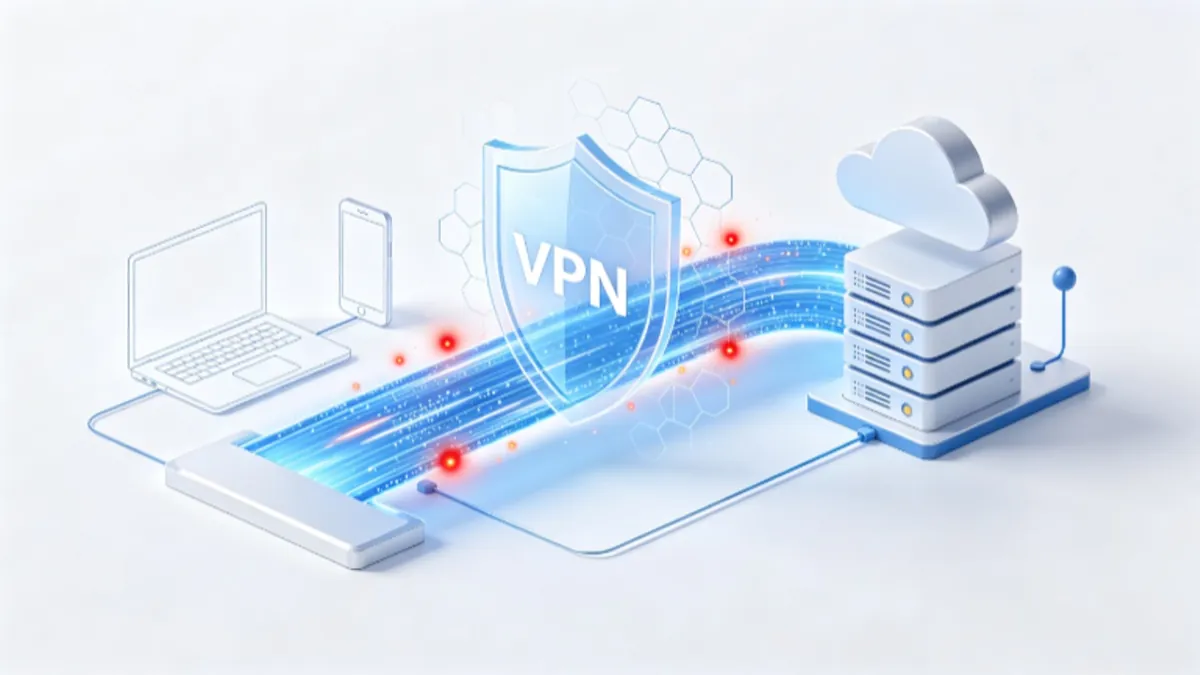
Most commercial VPNs on the market adopt the simplest single-hop architecture. The working logic is very simple, user traffic only passes through one remote server. The encrypted traffic is decrypted here and then directly forwarded to the target website. The shortcomings of this model are very prominent. All user traffic and IP information will be completely exposed on the sole intermediate server. If the internal staff of the service provider maliciously steal data or the server is hacked by hackers, all users' online data will be leaked.
Single-hop VPNs can not hide network metadata. The time stamps of online activities, the size of data packets, and the frequency of access will all be retained throughout the process. Foreign intelligence agencies can rely on these fragmented data to piece together the complete user online trajectory. This is also the core issue that the senator focused on questioning: Can regular single-hop commercial VPNs withstand the monitoring of the Internet backbone network by foreign adversaries? From the current technology perspective, the single-hop architecture can only avoid basic traceability and can not withstand the high-intensity national-level network monitoring methods.
The multi-hop privacy tools have emerged.
To address the shortcomings of single-hop VPNs, the industry has developed several multi-hop privacy protection tools. Apple Private Relay, Tor and Nym are the mainstream choices. Apple Private Relay transmits data through a dual-hop architecture. User traffic first passes through servers operated by Apple, and then is redirected to a third-party content distribution node. The entire process separates the user's identity from the access data. It has poor versatility and can not cover all network applications. The CDN platform it relies on also has privacy trust controversies.
Tor adopts the classic three-hop volunteer node architecture. The traffic is forwarded through three independent nodes, and is encrypted layer by layer to strip away identity information. Its advantage is decentralization, but its shortcomings are also fatal. All the relay nodes are built by global volunteers, and some of these nodes may be controlled by intelligence agencies, posing a risk of targeted eavesdropping. Nym is a lightweight open-source privacy tool developed in the memory-safe Rust language. It can avoid most underlying memory vulnerabilities. It can disrupt the time patterns and traffic characteristics of the monitoring party, and has stronger anti-tracking capabilities.
The inquiry list of the senator focuses on three types of advanced protection technologies. They are random time delay, encrypted data padding, and background traffic coverage. These technologies can completely disrupt the traffic fingerprint, making it impossible for the monitoring system to track users through feature matching. Most commercial VPNs do not support these advanced functions.
There is no unified evaluation standard for various VPNs, and the advertisements are highly misleading. The majority of the promotional statements for VPNs on the market are extremely deceptive. They all claim to be absolutely secure. Ordinary users do not have the professional ability to distinguish the authenticity of the claims and do not know which level of protection they need. Ordinary netizens only need basic IP concealment, while those engaged in confidential work need to resist national-level surveillance. There is no unified standard, and users are prone to problems such as "insufficient protection" or "excessive protection".