S&P Dow Jones Indices has relaxed the entry criteria for Canadian indices
S&P Dow Jones Indices has revised the inclusion rules for the TSX index, no longer requiring local registration as a condition. After Anglo American Resources acquired Teck Resources, it may remain within the Canadian benchmark index.
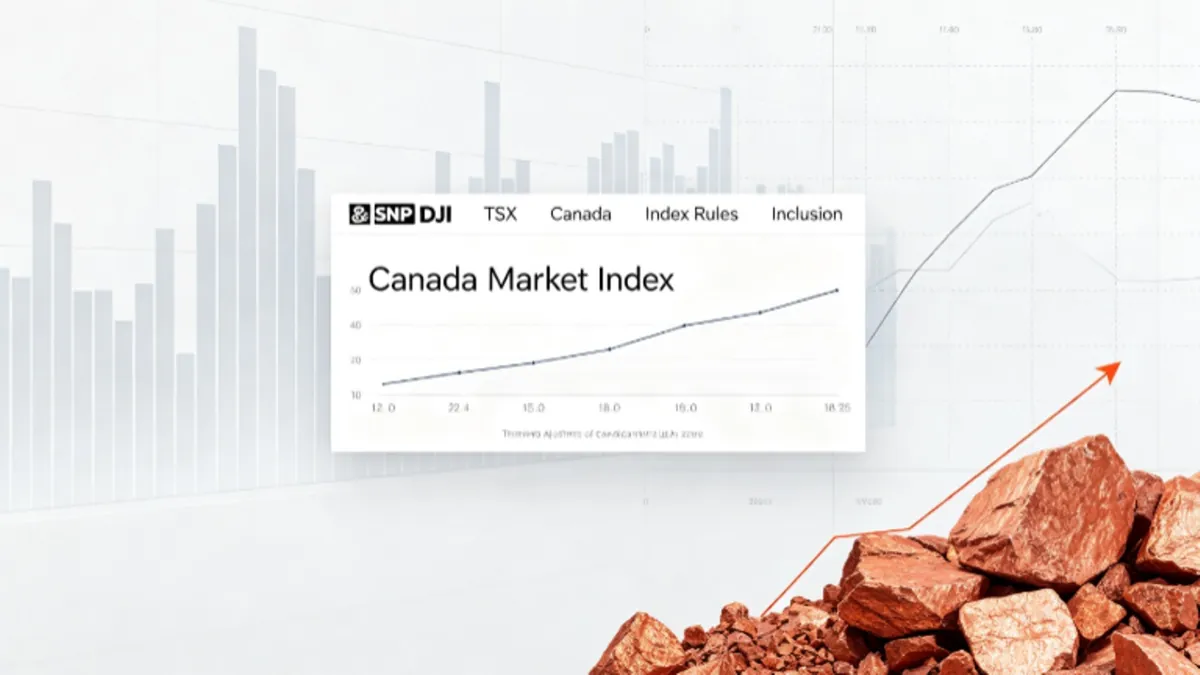
The rules of the index have changed and the need for local registration is no longer mandatory.
On September 11th S&P Dow Jones Indices (S&P DJI) announced a change to the rules of index compilation, in particular for the S&P/TSX Index system, changing the criteria for the selection of constituent stocks. The core change of this adjustment is aimed at overseas issuers listed on the Toronto Stock Exchange but whose registration locations are not in Canada. Under the old rules, to be included in the TSX Composite Index, a company had to be registered and established in Canada and listed on the TSX.
The new standard no longer strictly requires the registration location. As long as this overseas-listed entity maintains a substantive connection with Canada, it has the eligibility to be included in the index. The rule revision process began soliciting market opinions in July this year, and the entire new plan will be officially implemented on December 21, 2026. The TSX Composite Index is the main benchmark stock index in Canada and is followed by many ETF products.
Who benefits directly from the rule change?
This rule adjustment came with a big mining merger transaction. Anglo American is planning to acquire Teck in a full equity purchase, and the total transaction value will reach $53 billion. Teck is already a constituent stock of the current TSX Composite Index and is listed on the Toronto Stock Exchange. The completion window for this merger is between September this year and March next year. Once the deal is completed, the combined company will be named Anglo Teck and will be the world's fifth-largest copper producer.
The merger plan would place the headquarters of the new company in Vancouver, Canada, but the main floor for stock trading would be in London. If the old index rules were followed, this new company would encounter difficulties. It would not meet the requirements for local Canadian registration and would likely be excluded from the TSX Composite Index. Once removed from the index, the passive funds tracking the index would need to sell a large amount of stocks, causing significant pressure on the stock price. According to the newly revised index method, Anglo Teck is likely to be able to remain in the S&P TSX Composite Index.
The fundamental reason for the changes in the index compilation rules.
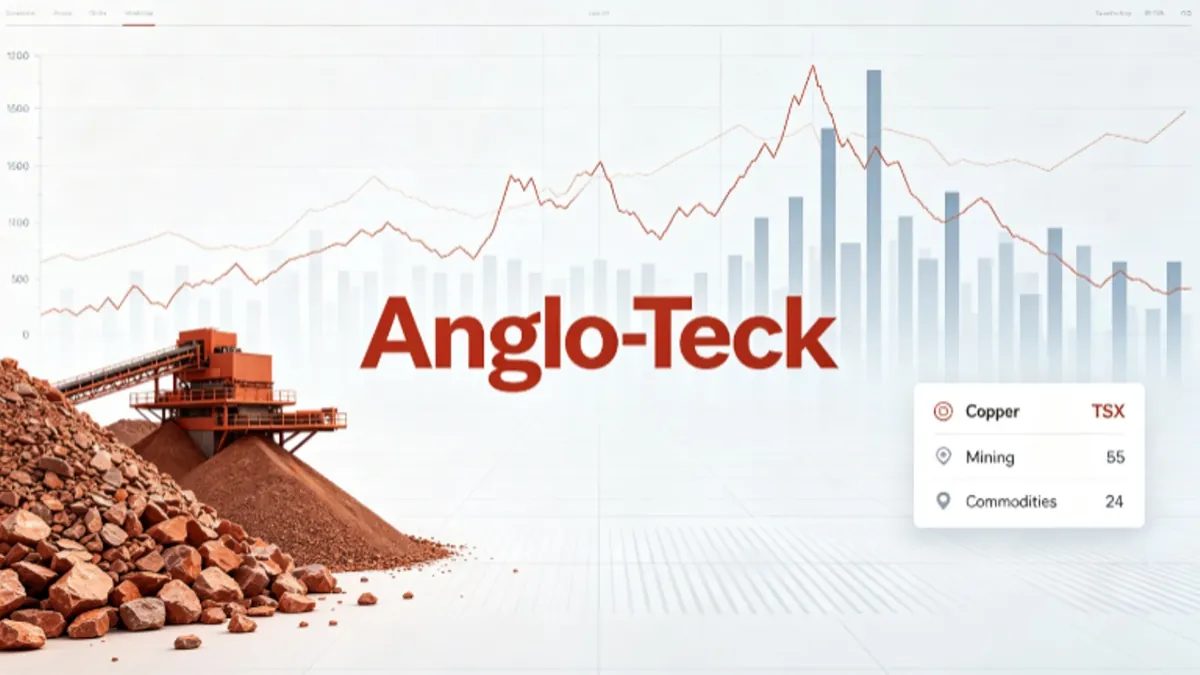
The index company's adjustment of the selection criteria was not a temporary decision. The previous strict registration location clauses had certain limitations. There are many multinational resource enterprises in the Canadian capital market, whose business focus is rooted in Canada, but their corporate structure and listing registration arrangements lean towards overseas. The old rules excluded such companies from the index.
The proportion of resource stocks in the Canadian stock market is very high, and mining enterprises are an important sector among them. Cross-border mergers and acquisitions are very common in the resource industry. The old rules often led to a situation where, if a local high-quality constituent stock was acquired by an overseas giant, the merged entity would trigger the elimination conditions. The forced selling by passive funds would bring unnecessary price shocks. In this adjustment, S&P DJI shifted the evaluation focus from "registration location identity" to the actual connection between the enterprise and the local economy. The investment scale of the enterprise in Canada, employment, and asset layout would all be included in the assessment scope.
The direct impact on individual stocks and passive funds.
If Anglo Teck manages to remain in the index, it will prevent a large-scale sell-off by passive funds. After this merger is completed, the stock will not encounter a one-time selling pressure caused by the index removal. The stock price loses a major potential negative factor. Conversely, assuming the rules are not modified and the new company is removed from the index after the merger, all passive products will have to reduce their holdings within the specified window period. The huge selling pressure will temporarily suppress the stock price of the target company.
For Teck Resources' existing shareholders, the relaxation of the rules reduces the downside risk of the stock price after the merger is implemented. When market funds evaluate this merger, the risk of index removal was originally an important negative consideration. Now this risk has basically been eliminated. For Anglo American Resources, the uncertainty of the merger has decreased. No additional adjustments to the company's structure are needed to meet Canadian registration requirements, simplifying the setup of the post-merger entity.
The new standards have opened the entry to the index and broadened the source pool of components for the TSX index. The Toronto Stock Exchange will attract more multinational resource companies to list and go public. Under the old rules, even if such companies were listed on the TSX, regardless of their business scale, they could not enter the benchmark index. After the rule update, as long as they can prove a substantive connection with Canada, these multinational companies can obtain the selection qualification. More high-quality overseas issuers entering the index can also enrich the structure of the TSX index components.