The Super Central Bank Week is here, and defensive stocks are supporting the FTSE 100 Index
The Super Central Bank Week has begun, and the performance of the British stock market is showing divergence. The FTSE 100 Index is rising thanks to defensive stocks and energy stocks.
Large cap and small cap stocks performed very differently. Energy stocks were strong.
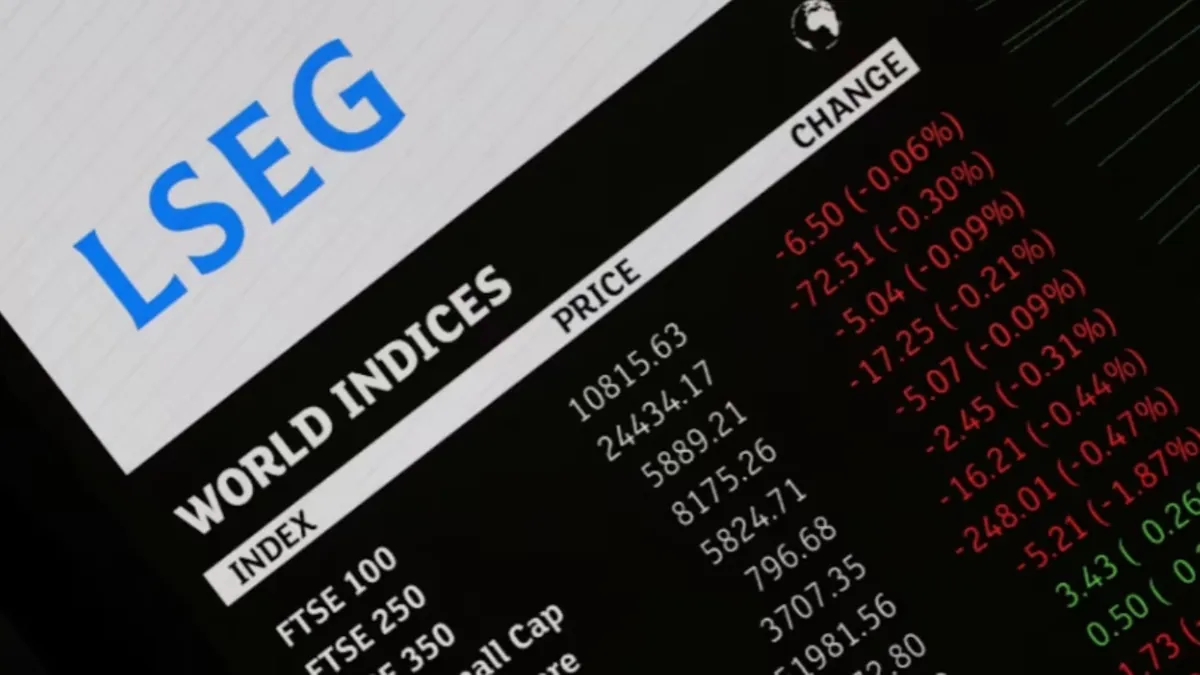
The week of September 14th was a critical week for global central bank policies as a slew of major interest rate decisions were released at the same time. The FTSE 100 has started the week on a relatively flat note, opening at 10,697.57 points, up 0.4%. The trend was overall quite stable. The FTSE 250 index, which focuses on local small enterprises, performed weakly compared to the steady rise of the large cap blue-chip stocks. It opened down by 0.6% and closed at a new low in more than a month.
The trend in the energy sector was very strong. The situation overseas has changed recently with damage to Saudi infrastructure and new strikes in the Gulf shipping industry affecting the crude oil supply chain. International oil prices rose in response, with a single-day increase of around 3%. The rise in oil prices directly benefits the two major British oil giants - Shell and BP. The gains of these two stocks were both close to 1%. The rise of energy stocks not only provided strong support for the FTSE 100 index but also offset the downward pressure on some market sectors, keeping the overall market trend stable.
The defensive sectors have all experienced a strong performance.
The core driving force behind the stable rise of the FTSE 100 index this time came from the collective strength of the defensive sectors. In the face of the upcoming central bank interest rate decision, market uncertainty soared, and investors shunned highly volatile sectors and instead concentrated on buying defensive stocks with strong risk resistance and less affected by the economic cycle. The pharmaceutical sector saw an overall increase of 3.8%. GlaxoSmithKline was a standout performer, rising as much as 4.7% in one day. The main reason for the rise was that the company's two new lung cancer drugs achieved positive trial results, and the implementation of the research results boosted market confidence.
The consumption sector showed a strong trend and embarked on a stable upward movement. The personal care, pharmaceutical and grocery sectors rose by 2.8%, and the beverage sector rose by 2.6%. These essential consumption industries have relatively stable market demand regardless of economic trends. During the period of policy implementation, they naturally become the preferred allocation for investors, and the overall profit effect of the sector was very obvious.
Interest rate-sensitive sectors collectively faced pressure.
This week was volatile for the UK bond market with bond yields rising and yields for different maturities hitting multi-year highs. The bond market movements then impacted the stock market and the interest rate sensitive sectors corrected. The banking sector was the worst hit with a drop of 1.4% overall. Many investors are concerned that the high-interest-rate environment will affect the conduct of credit business, increase the risk of market default, and thereby reduce the profit margins of banks. As a result, they have been selling off bank stocks.
The residential development sector took a bigger hit, 2.2% down on the day. Mortgage rates, real estate sales, and interest rate trends are highly interrelated. The rise in interest rates directly dampened expectations in the real estate industry, causing the stock prices of real estate companies to fall. The ripple effect triggered by the rise in the bond market led to the weakening of the two major weighty sectors - finance and real estate.
Divergence in the AI sector domestically and internationally.
On September 14th, the global technology sector showed a differentiated trend. Stocks related to AI experienced large fluctuations overall. Executives from several top AI institutions expressed their concerns, calling for a slower pace of AI technology research and development implementation, which raised concerns about the development speed and industry regulation of the technology sector. Global AI-related stocks have generally cooled down. The U.S. tech index was under pressure and most tech and AI stocks pulled back after the Nasdaq index fell 0.5% in one day. However, the UK's domestic technology sector - the FTSE 350 Technology Index - surged by 4.3% against the trend.
On Monday, the FTSE 250 index performed poorly. Apart from the overall risk-averse sentiment in the market, the failure of some constituent stocks was also a major factor. The share price of the data analysis consulting company GlobalData plummeted significantly, with a single-day drop of nearly 19%, firmly ranking at the top of the decline list in the FTSE 250 index. The trigger for this sharp decline was that the company's annual revenue growth forecast fell short of market expectations.