US stocks rose despite the market downturn, awaiting the Fed's decision
U.S. inflation data was hotter than expected, raising the odds of an interest rate hike. U.S. stocks bucked the trend on Friday with markets looking ahead to the Fed’s interest rate decision.
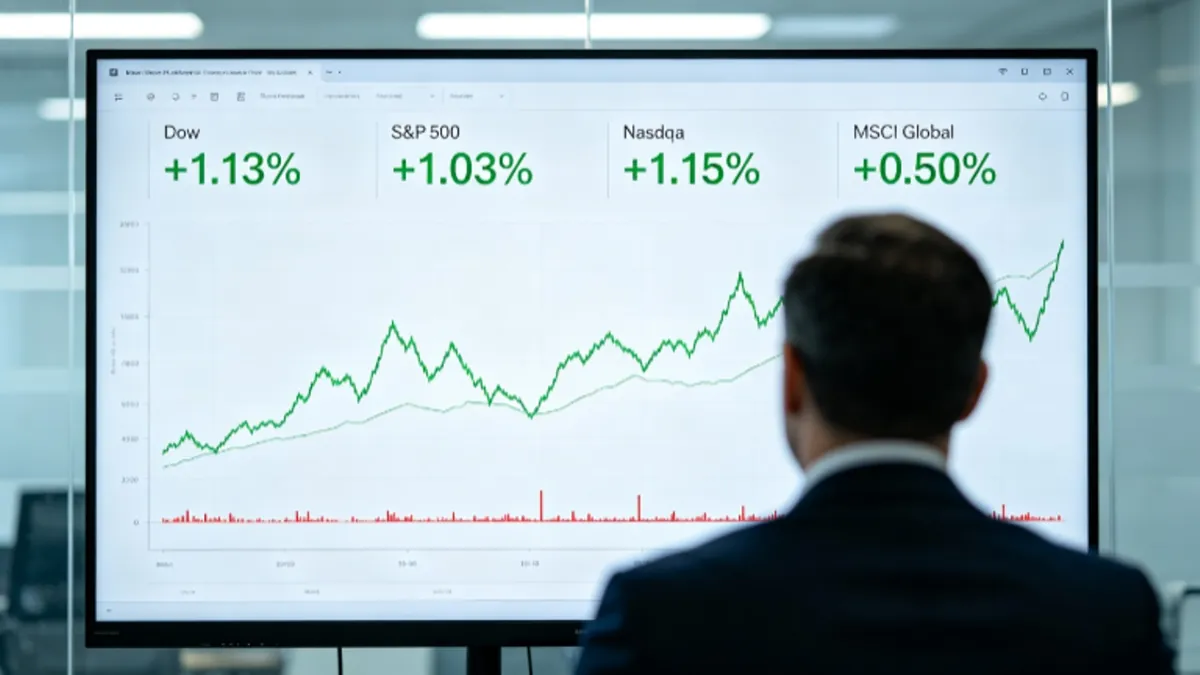
U.S. stocks rose in a single day.
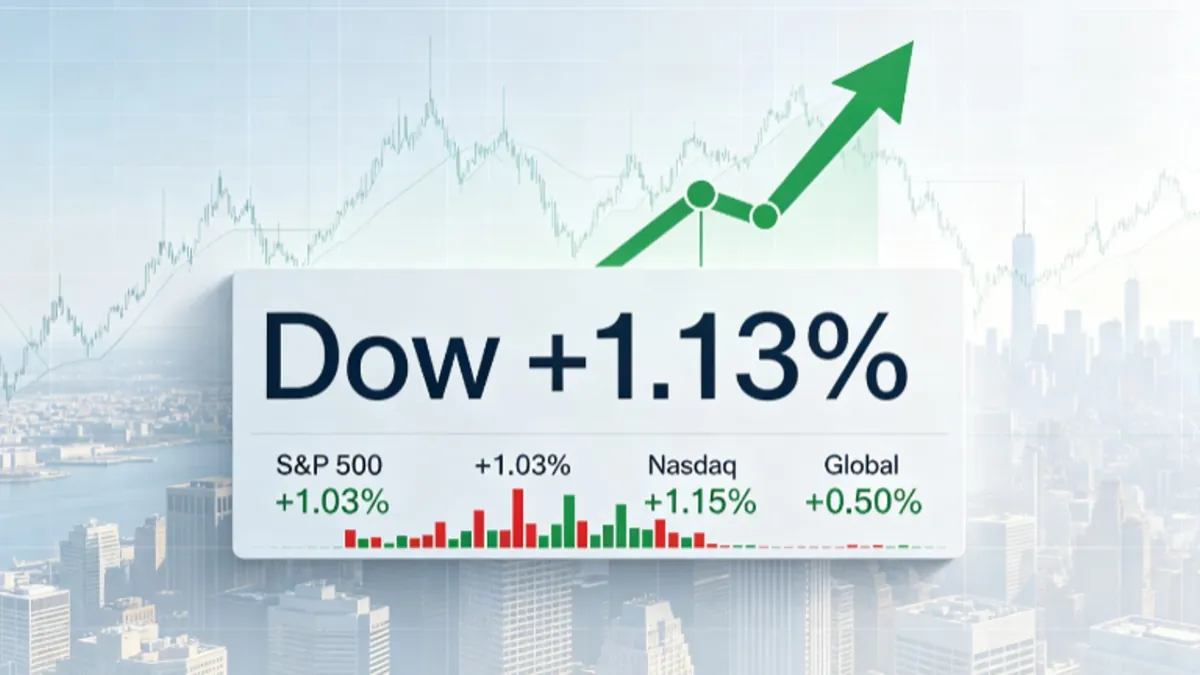
On September 11, the Dow Jones jumped 1.13%, the S&P 500 climbed 1.03% and the Nasdaq had the biggest jump of 1.15%. The global equity market also recovered at the same time, with the MSCI global index rising slightly by 0.50%. From the weekly perspective, the U.S. stock market as a whole was still under pressure, and the three major indices closed lower this week.
Several negative factors disturbed the market this week. The tight geopolitical situation in the Gulf, huge fluctuations in oil prices, rising inflation, and persistently high bond yields all suppressed market risk appetite throughout the whole process. The rebound on Friday was only a short-term emotional repair and did not change the overall weak tone of this week.
Recently, the stock market in the U.S. has undergone intense fluctuations with fierce battles between bulls and bears. In the previous trading days, the market declined, accumulating certain overbought repair demands. Coupled with the decline in high oil prices and the easing of short-term inflation pressure, funds returned to buy and push the market higher. However, the overall attitude of funds remains cautious, and all trading actions are waiting for the outcome of the Federal Reserve's interest rate meeting.
Unexpectedly, inflation data has risen, and expectations for interest rate hikes have accelerated rapidly.
The biggest variable in this round of market is the unexpectedly rebounding inflation data from the United States. The latest CPI data shows that the inflation rate last month increased by 0.4% year-on-year, accelerating from 0.1% in July. The trend of inflation recovery is very obvious. This inflation report directly changed the market's interest rate expectations. Before the data was released, the probability that the Federal Reserve would raise interest rates by 25 basis points was 67%. After the data was announced, the probability of an interest rate hike soared to 85%.
This week the crude oil market experienced wild swings that had a profound effect on the mood of the U.S. stock market. On September 11th, Brent crude oil violently surged 6%, reaching a high of $109.97 per barrel, a new four-month high. The soaring oil prices further boosted the inflation concerns and the market expectations for interest rate hikes continued to strengthen. After the oil prices soared, they quickly faced heavy selling pressure, closing down by 2.9% at $104.49 per barrel. Even though it fell on Friday, the Brent crude oil's weekly gain still exceeded 8%.
The core of oil price fluctuations lies in the changes in the situation in the Middle East. The U.S.-Iran trade friction continues, and the shipping flow through the Strait of Hormuz is restricted. The market is worried about the disruption of energy supply, pushing oil prices to surge. There are reports that several Middle Eastern countries are preparing to reach a temporary shipping agreement to clear the shipping channels and alleviate supply anxiety, triggering a sharp correction in oil prices. Trump stated that the war in the Middle East may continue until after the mid-term elections in November. The long-term conflict expectations have made the market reluctant to completely sell short on oil prices, and inflation concerns can not be completely dispelled.
The yield of U.S. debt remains at a high level.
The rebound in inflation, coupled with the rising expectations of interest rate hikes, has put continuous pressure on the US debt market, keeping the yield high. On Friday, the yield of 10-year U.S. debt reached a peak of 4.9915%, touching the peak in nearly three years. It then slightly dropped to 4.96% and remained at a high level for many years overall. This round of continuous selling in the global bond market is mainly due to the rebound in inflation and the tightening expectations of central banks.
The high yield of government bonds has depressed the valuation of the U.S. stock market, which is also the core reason for the recent repeated fluctuations in the stock market. Other major asset classes also moved in tandem and fluctuated. The U.S. dollar index rose slightly by 0.4% on Thursday and remained stable on Friday, stabilizing at around 99.1 points. The trend of gold fluctuated repeatedly, falling by nearly 2% on Thursday and rebounding by 0.8% on Friday, closing at $4,350 per ounce. The market's risk-averse sentiment rapidly shifted.
U.S. stock market awaits policy implementation.
At present, the logic of the U.S. stock market is quite clear. The main support for the bulls comes from the recovery from excessive decline, the fall in oil prices, and the short-term correction in valuations. The factors suppressing the bears are also prominent. The continuous rebound of inflation, the significant increase in the probability of interest rate hikes, the high level of U.S. treasury yields, combined with the uncertainty in the Middle East, all these negative factors limit the upward space of the stock market. Now, all funds are in a wait-and-see state, and the trading pace has slowed down. The market is reluctant to increase or reduce positions before the Fed's decision. The short-term market trend is mainly characterized by emotional recovery and fluctuations.