China's prices rose due to the structural impact of energy prices in August
Commodity prices in China rose in August, spurred by higher energy prices overseas, but domestic demand stayed weak.
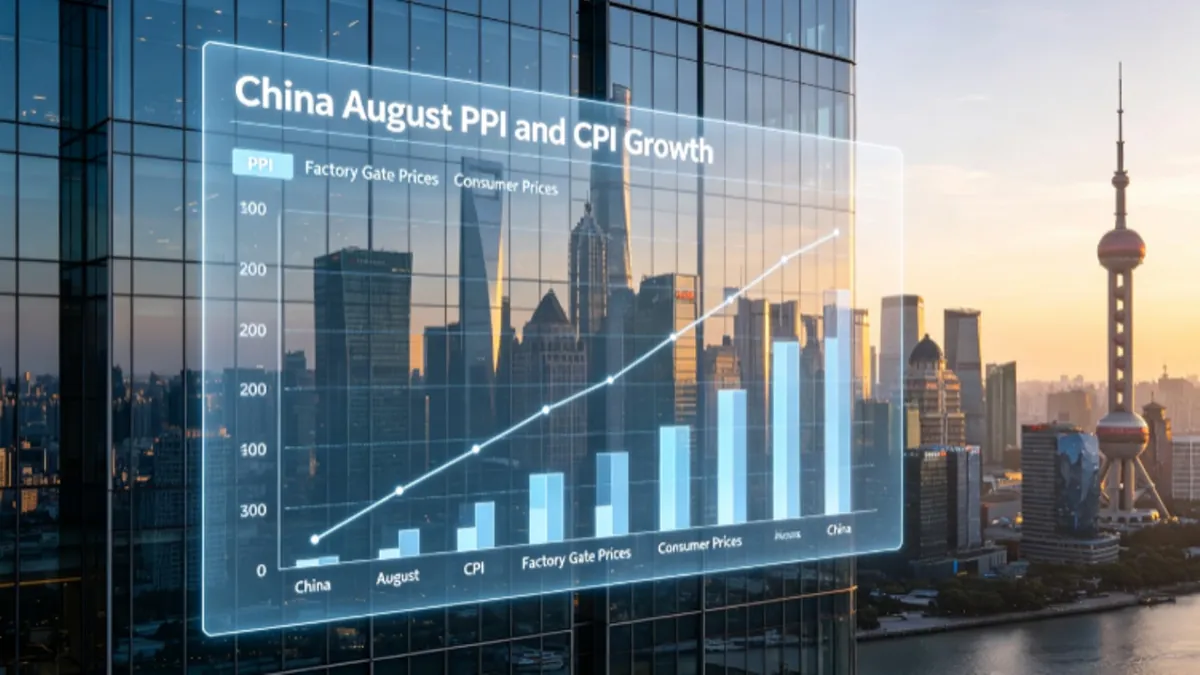
The August price data has been released.
In August, the inflation trend in China showed a significant contrast. The prices at the upstream production stage rose at an accelerated pace, while the consumer prices at the downstream stage showed a slight recovery. However, the overall increase was relatively low. This round of price increase was not driven by the domestic consumption recovery, the core driving force came from the soaring energy costs abroad. The latest data shows that the year-on-year increase in PPI reached 3.8% in August, accelerating from 3.5% in July. The year-on-year increase in CPI was 0.8%, improving from 0.5% in July, and the overall trend remained moderate growth.
From the data, it can be seen that domestic inflation is entirely driven by external input. Internal demand remains weak, and the internal driving force for economic recovery is insufficient. In addition to the regular price indicators, the core inflation, excluding the two fluctuating items of food and energy, rose by 1% year-on-year in August, slightly higher than 0.9% in July. The core inflation is slowly recovering, indicating that the pressure on domestic basic prices has slightly improved, but it is still in a low range overall.
Energy costs have soared, becoming the main driver of industrial price increases.
The core driver of this round of industrial price rise is the tense geopolitical situation in the Middle East. Regional conflicts have disrupted the rhythm of global energy supply, causing international crude oil and non-ferrous metal prices to rise, thereby increasing the raw material costs of China's industrial production. The price increase of various industrial sub-sectors is quite different, and the price increase of the non-ferrous metal industry chain is the most prominent. Data shows that in August, the prices of non-ferrous metal smelting and processing rose by 20.8% year-on-year, with the highest growth rate.
The prices of petroleum and coal fuel processing industries rose by 11.1% year-on-year, and the oil and gas extraction industry saw an increase of 10.5%. The three energy-related industries led the increase in industrial prices. The upward trend in energy prices also spread to the consumption end, contributing 0.28% to the overall CPI increase, which was the key increment for the recovery of consumer prices this month. In addition, the shortage of memory chips brought about by the development of AI industries has also indirectly pushed up the production costs of some manufacturing industries, adding a secondary boost to the increase in industrial prices.
Weak domestic demand and insufficient impetus for rising consumer prices.
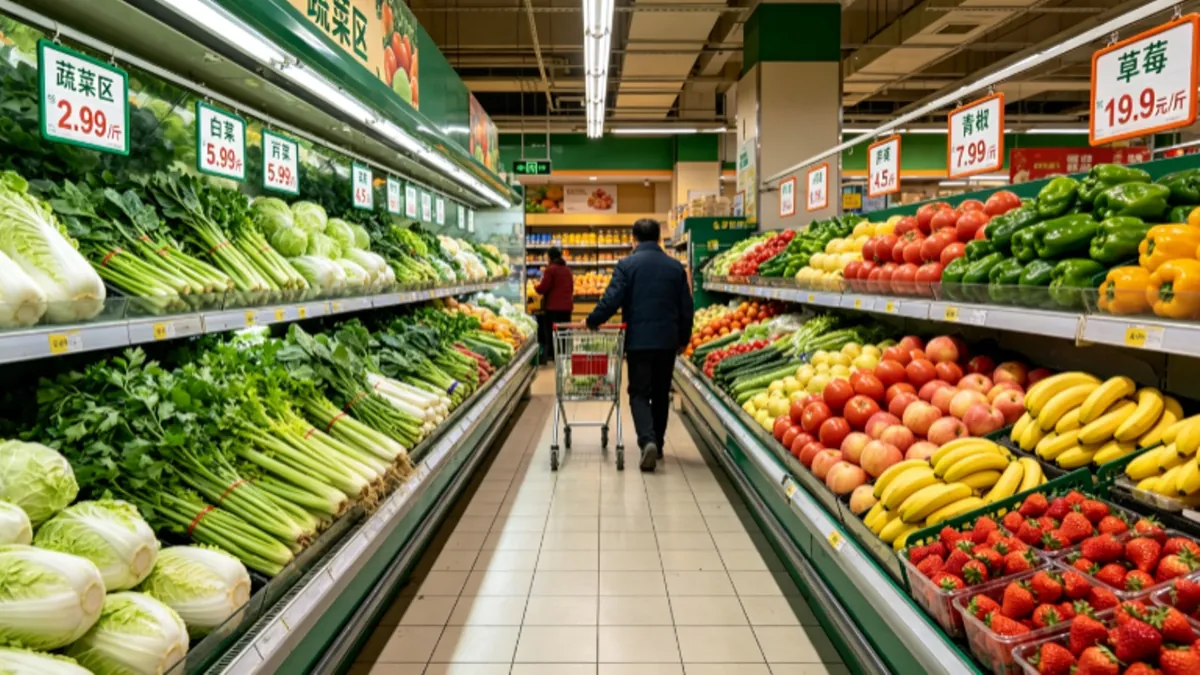
The domestic consumption market is sluggish, becoming the core factor suppressing overall inflation. The recovery of domestic consumption in China is relatively weak, and residents' consumption confidence is low, making it difficult to generate a comprehensive driving force for price increases. The export situation has improved, to some extent, offsetting the pressure from the sluggish domestic consumption, but it cannot completely reverse the weak recovery trend.
The current economy is facing multiple persistent drag factors. The continuous existence of external trade frictions brings uncertainty to the export industry. Domestic residents' consumption confidence is low, and the pace of consumption recovery is slow. At the same time, extreme weather occurs frequently, repeatedly interfering with production and consumption markets, and multiple factors jointly restrict the pace of economic recovery.
Most foreign institutions predict that the overseas geopolitical conflicts will allow high inflation to persist for a longer period, and short-term price pressure will not quickly subside. However, from a long-term perspective, China's consumer prices are likely to fall next year. The industrial PPI is likely to return to the deflation zone, and overall prices will return to a low-level operating state. Some institutions also analyze that the current economy still has local deflation characteristics, and subsequent consumer prices are likely to stabilize at a low positive range and will not experience a significant upward trend.
Strengthening economic policies take effect.
In the face of an economic situation under pressure both domestically and internationally, China has intensified its growth-stimulating policies, focusing on three aspects: credit, finance and real estate. At the monetary and credit level, the government has increased support, lowering the loan interest rates for consumers and small and medium-sized enterprises and reducing financing costs.
At the fiscal level, the Ministry of Finance has clearly stated that it will, in accordance with changes in the economic situation, introduce additional fiscal support policies in a timely manner to offset various potential downward risks. In the real estate sector, the government has implemented a series of measures to stabilize the real estate market, standardizing the sales model of pre-sale properties, and extending the maximum mortgage term for individuals from 30 years to 40 years. This policy can effectively reduce the repayment pressure on residents.