The violent rebound of the yen disrupted the market
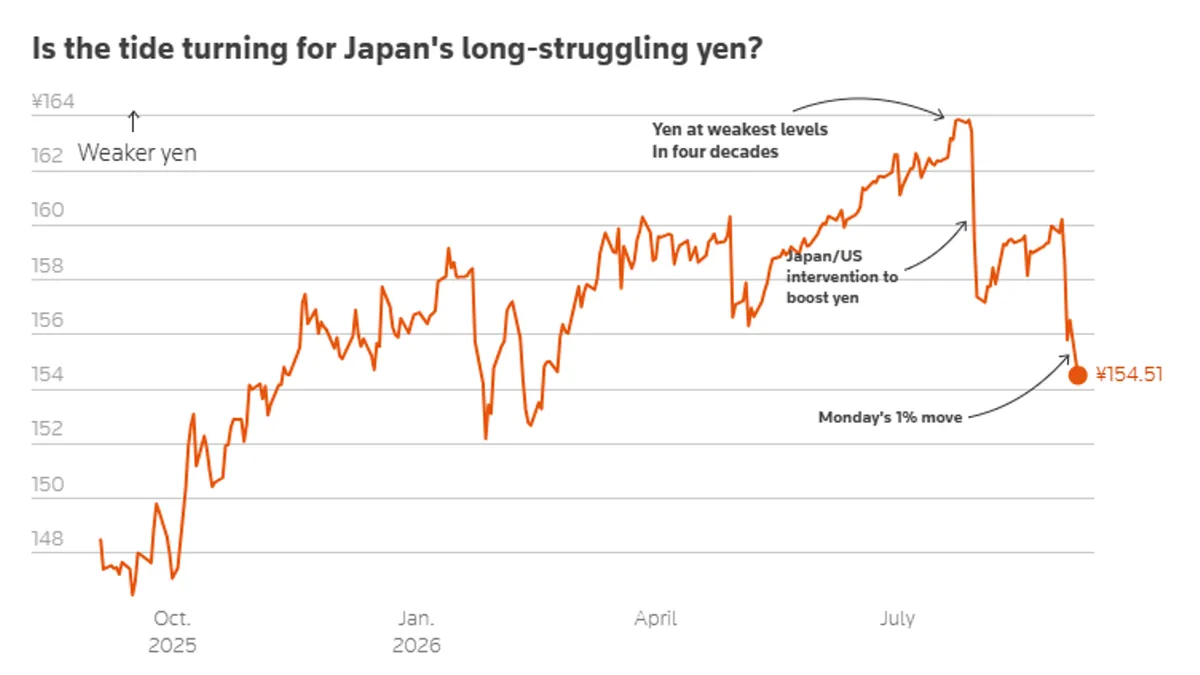
The yen soared by over 4.5% in a single week, reaching a seven-month high. The rising expectations of interest rate hikes triggered large-scale short positions to be closed, exposing the risks of the long-term stable yen interest rate differential trading in full.
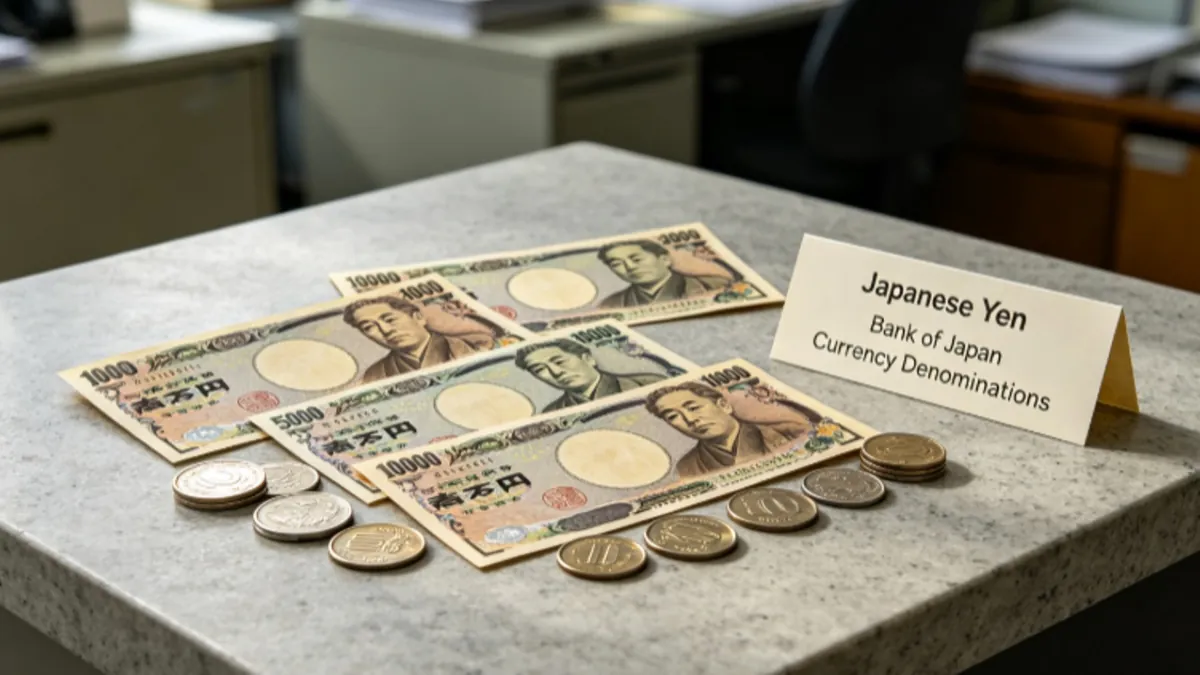
The yen has soared rapidly.
In just one week, the yen's appreciation exceeded 4.5%, surging to its highest level in seven months. In July, the yen had dropped to a 40-year low, with a persistently weak trend that even led to joint intervention by the U.S. and Japan. Within just two months, the U.S. dollar against the yen rapidly retreated from the 160 mark, reaching a low of 152.89. This round of the yen's strengthening was not driven by a single factor.
The rising expectations of the Bank of Japan to tighten monetary policy, signs of a slowdown in capital outflows from the country, and pressure from U.S. policies, all these factors jointly supported the rapid recovery of the yen's exchange rate. Market sentiment also changed. Investors no longer blindly shorted the yen but began to re-evaluate the medium- and long-term trend of the yen, and the previously solid trading logic was broken.
The traditional arbitrage model is on the verge of failure.
The yen carry trade has been the most stable arbitrage method in the global market for a long time, almost synonymous with risk-free profits. Investors borrowed funds in the ultra-low-interest-rate yen market and invested in high-yield assets such as Mexican pesos to earn stable spreads. With the sudden sharp rise in the yen exchange rate, this mature trading model is under pressure. The losses caused by rapid exchange rate fluctuations have wiped out the originally stable interest income, turning the arbitrage trade from stable profits to high-risk operations.
The global cross-border lending in yen has reached 360 trillion yen ($2.35 trillion), setting a new record in the past 30 years. There are a huge amount of yen short positions in the market, and if they are concentratedly liquidated, it will directly disrupt the global financial market. Initial signs of liquidation have emerged in the market. Leveraged funds and institutional investors have been reducing their yen short positions, and some short yen positions have already exited, but the overall position size remains large, and the subsequent liquidation pressure is not negligible.
The expectation of interest rate hikes has been fully activated, and the market has priced it in advance.
The core driver of this round of the yen's sharp appreciation is the strong market expectation of the Bank of Japan to raise interest rates. The market data shows a 97% chance of the central bank raising interest rates by 25 basis points raising the rate to 1.25% which is almost a certainty. The Bank of Japan is highly anticipated. Just one month ago, the probability of an interest rate hike was only 52%. The market has also made clear predictions for subsequent hikes, with a 27% probability of an interest rate hike in October and an 61% probability in December. The market generally believes that the Bank of Japan will continue to adopt an hawkish stance.
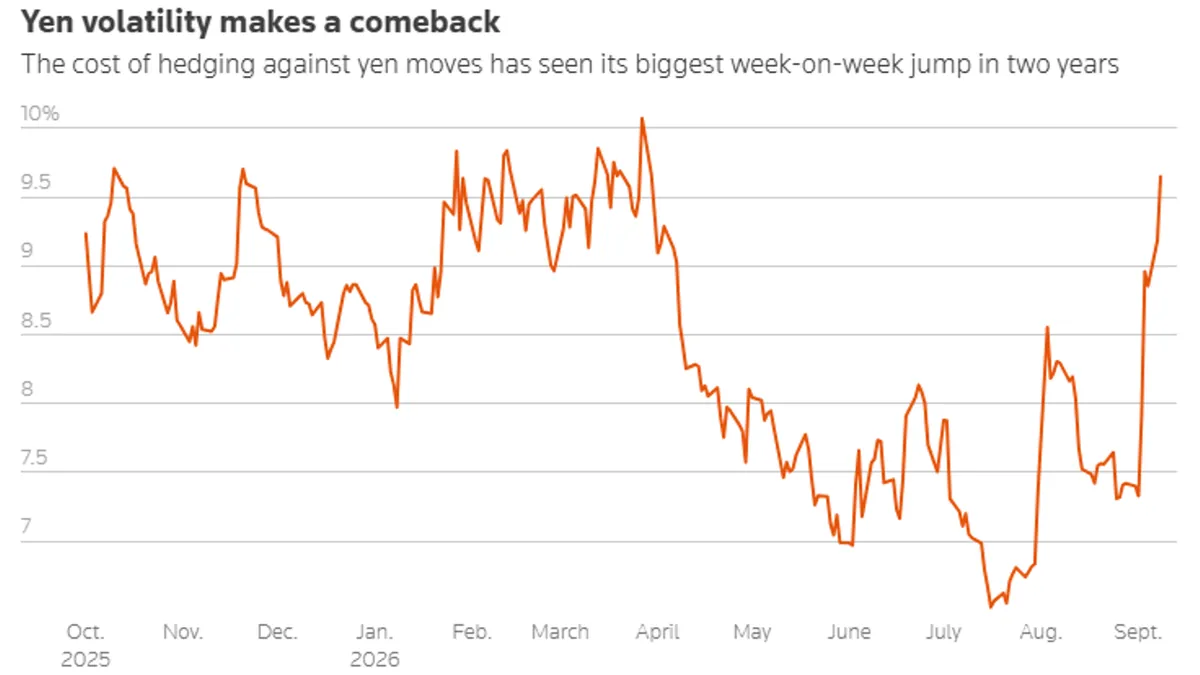
The premature and aggressive trading behavior has amplified the volatility of the yen. After the exchange rate fell below the key level of 155, a large number of automatic stop-loss buy orders were triggered, forming a closed-loop market where the price keeps rising and buying continues, further accelerating the decline of the USD/JPY. At the same time, market volatility has soared. The three-month implied volatility of the USD/JPY has reached a six-month high and the weekly gain has reached the highest level in two years.
The current market situation reminds many traders of the market turmoil in 2024. Back then, the interest rate hike by the Bank of Japan led to a rapid appreciation of the yen. A large number of spread trading positions were concentratedly closed out, causing short-term severe fluctuations in the global market and leaving investors with a profound lesson. However, the current market environment is largely different from that of that year. Investors have already established expectations of interest rate hikes in advance and will not experience sudden panic selling. The market has fully digested most of the negative factors, and the impact will be relatively mild.
More importantly, the yield environment in the Japanese market has changed. The yield of Japan's 10-year government bonds is approaching the 30-year high, and the yield of domestic assets has increased. Funds no longer need to blindly go overseas for arbitrage, and the underlying logic of spread trading has loosened. Analysts warn that if the yen continues to rise, it will trigger continuous passive liquidation, and in extreme cases, the USD/JPY may further fall to the 140 range.